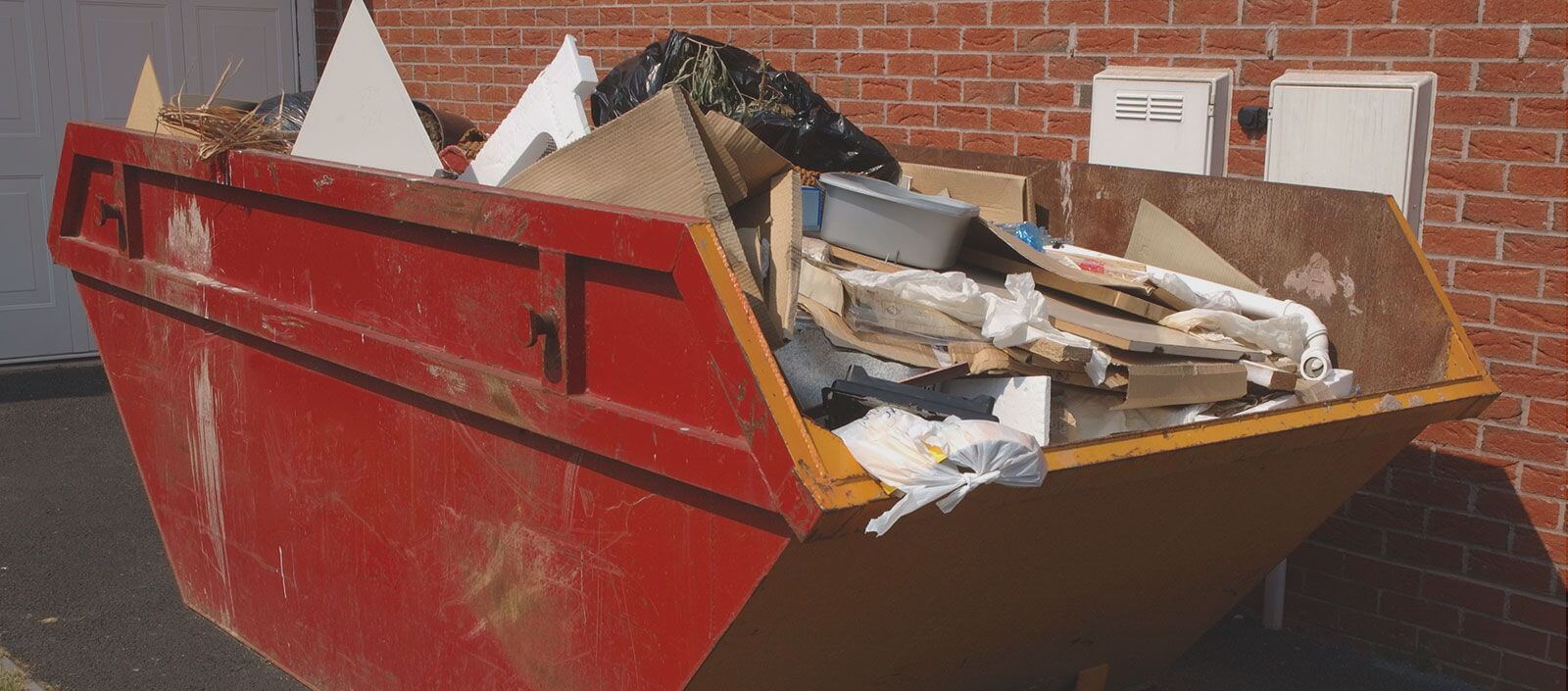
Commercial rubbish removal for Kensington shops and offices
Posted on 23/05/2026
Commercial rubbish removal for Kensington shops and offices: a practical local guide
If you run a shop, cafe, gallery, clinic, office, or small hospitality venue in Kensington, rubbish has a way of appearing faster than you expected. Cardboard piles up after deliveries. Old fixtures get left in the back room. Office clear-outs happen at the worst possible time. And before you know it, the space feels cramped, untidy, and harder to work in.
Commercial rubbish removal for Kensington shops and offices is really about keeping business spaces clear, presentable, and compliant without turning waste into a daily headache. Done well, it supports your staff, protects your customers' experience, and helps you avoid those awkward little problems that become bigger very quickly - blocked storage areas, missed collections, and waste sitting around too long. Let's face it, nobody wants a smart Kensington frontage to look like the back of a skip yard.
This guide explains how commercial waste collection works, what to expect, how to choose the right service, and how to keep things smooth in a busy local setting. If you want the bigger picture first, it can also help to review the broader services overview and the company's approach to waste carrier licence and compliance.

Why Commercial rubbish removal for Kensington shops and offices Matters
Kensington businesses tend to work in tight, visible spaces. That changes the stakes a bit. A small amount of waste in a warehouse unit may be harmless, but the same amount in a shop doorway or an office corridor can quickly become a problem. Waste affects first impressions, hygiene, access, staff morale, and in some cases safety.
For shops, waste is often customer-facing. Packaging, broken display items, worn furniture, and surplus stock can eat into valuable floor or storage space. For offices, the challenge is usually a mix of paper, confidential items, unwanted furniture, IT equipment, and the odd mystery box nobody wants to claim. In both settings, rubbish removal is less about "getting rid of stuff" and more about keeping operations organised.
There's another layer too. Businesses in busy London districts often have limited loading space and narrow time windows for collection. That means waste that is not handled properly can cause disruption - to your team, to neighbours, and to your own trading hours. A reliable process reduces that friction. Simple, really. Not always easy, but simple.
Commercial waste management also supports sustainability goals. If you separate recyclables early and send reusable items to the right route, you cut down the amount of material going to disposal. Many businesses now prefer a service that can explain what happens next, not just show up and take the pile away. That kind of clarity matters, especially for companies that care about responsible operations and want to improve their environmental profile over time. A useful starting point is the site's recycling and sustainability page.
How Commercial rubbish removal for Kensington shops and offices Works
Most commercial rubbish removal jobs follow a fairly straightforward pattern, although the detail varies depending on the type and volume of waste. In practice, it usually begins with an enquiry, a quick description of what needs removing, and a rough idea of access. From there, the provider can advise on collection type, timing, and any special handling needs.
For a typical Kensington shop or office, the process may look like this:
- You identify what needs removing, such as office desks, packaging waste, old shelving, or mixed rubbish.
- You explain access details, including floor level, lift availability, parking, and any time restrictions.
- A collection plan is arranged, often with a quote based on waste type and volume.
- The team arrives, loads the waste, and clears the area with minimal disruption.
- Items are then sorted for reuse, recycling, or disposal where appropriate.
That sounds easy enough, and in many cases it is. But the real value is in the planning before collection day. If your waste is mixed together, hard to reach, or spread across several floors, the job takes longer and becomes more expensive than it needs to be. A bit of organisation at the start saves a lot of hassle later.
For businesses that need a broader tidy-up, an office clearance service in West Kensington can be useful when desks, chairs, filing cabinets, and general office clutter all need to go at once. For businesses planning a wider clean-out or regular commercial support, commercial waste removal in West Kensington is the more direct route.
What usually needs a little extra care?
Some items are perfectly common, but still need handling sensibly. Think of confidential paperwork, electronics, bulky furniture, sharp fixtures, or anything contaminated by food waste. None of that is unusual. It just means the provider should know in advance so the right method can be used.
To be fair, the smoothest jobs are usually the ones where the customer sends a few photos and says, "This is the pile, this is the access, this is our preferred time." A small bit of detail goes a long way.
Key Benefits and Practical Advantages
The main benefit is obvious: your business gets its space back. But the practical advantages run deeper than that.
- Better presentation: A tidy shopfront or office reception helps create a more professional impression.
- More usable space: Removing old stock, fixtures, and waste opens up storage and working areas.
- Less disruption: A planned collection is usually easier than ad hoc trips to the tip or cluttered back-room stacking.
- Improved safety: Fewer loose boxes, broken fittings, and blocked walkways means fewer avoidable accidents.
- Better staff experience: People work better in a space that feels controlled rather than chaotic.
- More responsible disposal: Recyclable materials and reusable items can be separated more effectively.
There's also a commercial upside that gets overlooked. If your team spends less time managing rubbish, they spend more time serving customers, closing sales, or doing the work that actually brings revenue in. That matters whether you run a boutique on a busy street or a professional office tucked above ground floor level.
And if you are clearing furniture or fittings during a refit, pairing waste removal with a dedicated furniture removal service can reduce back-and-forth and speed up the reset of your space.
Expert summary: The best commercial rubbish removal service is not simply the cheapest one. It is the one that understands your access constraints, works around your trading hours, and removes waste in a way that is tidy, lawful, and efficient.
Who This Is For and When It Makes Sense
This service is for any Kensington business that produces waste beyond ordinary small-bin use. That includes independent retailers, cafes, salons, estate agencies, professional offices, showrooms, medical or therapy practices, and hospitality venues. If you have recurring packaging, disposable materials, old stock, or occasional bulky items, you are in the right territory.
It is especially useful when:
- you are refurbishing or rebranding a shop
- your office is downsizing or relocating
- you have accumulated bulky waste in a back room or cellar
- you are replacing shelving, desks, or reception furniture
- you need a one-off clearance after a tenancy change
- you want a more regular waste routine without messy overflow
A lot of business owners only think about waste removal after there's already a problem. The lift is blocked. Boxes are stacked by the fire exit. Staff are stepping around a broken chair for the third week in a row. In those moments, a scheduled clearance starts to look less like an extra cost and more like a pressure release valve.
For businesses handling recurring mixed waste, a broader rubbish collection service in West Kensington may suit more regular needs. If the issue is less about day-to-day bin waste and more about a one-off changeover, an office or commercial clearance is usually the better fit.
Step-by-Step Guidance
If you want the process to go smoothly, it helps to break it into a few simple steps. Nothing fancy here. Just a practical sequence.
1. Sort the waste by type
Start with the obvious stuff first: cardboard, paper, general rubbish, furniture, electronics, and any items that need special care. If possible, keep recyclables separate. This makes collection quicker and often more efficient.
2. Check access and timing
Note where the waste is located, whether there is lift access, whether parking is available nearby, and what times collection can happen without disturbing customers or staff. Kensington can be busy, so timing really matters.
3. Take clear photos
Good photos save time. They help estimate volume, identify awkward items, and flag possible access issues. If the waste is spread over several areas, send a photo of each. It sounds basic, but it prevents misunderstandings later.
4. Ask about recycling routes
If your waste includes reusable furniture, clean cardboard, or office equipment, ask how it will be handled. A business that values sustainability should be able to explain its process in plain English. You do not need a lecture, just clarity.
5. Confirm the quote and service details
Make sure you understand what is included: labour, loading, removal, disposal, and any additional handling for bulky or heavy items. A clear quote reduces friction. Hidden assumptions are where jobs go sideways.
6. Prepare the space
Move waste into one area if that is practical, but do not block exits or create hazards. Label anything that should stay behind. If there are confidential papers, separate them before the team arrives.
7. Review the cleared area afterwards
Do a quick walk-through before the team leaves. Check corners, storage nooks, under counters, and those awkward spaces behind filing cabinets. It is amazing what gets missed in a rush, especially on a busy Tuesday morning.
Expert Tips for Better Results
Small improvements make a surprising difference here. In our experience, the businesses that get the smoothest results tend to treat waste removal like a mini project rather than an emergency.
- Bundle similar items together: Keep furniture, packaging, and general rubbish in separate zones if you can.
- Clear one area at a time: This helps teams work faster and keeps the space safer.
- Use regular review points: Monthly waste checks stop clutter building up quietly in storage rooms.
- Plan around deliveries: Avoid collection windows that clash with stock arrivals or customer peaks.
- Protect sensitive material: Confidential files and IT equipment should be identified early.
- Think in "zones": Front of house, storage, staff area, basement, and office spaces often need different handling.
A small human habit helps too: assign one person to be the waste contact. It avoids the classic "I thought someone else had sorted that" situation. We've all seen that one play out.
If your workspace includes old desks, worn seating, or reception items, it can help to coordinate rubbish removal with furniture disposal in West Kensington so everything leaves in one tidy flow.
Common Mistakes to Avoid
Most problems with commercial rubbish removal are preventable. The pattern is usually the same: not enough information, not enough sorting, or not enough planning. Simple mistakes, slightly annoying consequences.
- Mixing everything together: This makes sorting harder and can slow the job down.
- Underestimating volume: "It's only a few bags" often turns into a van full once it's all gathered.
- Leaving it too late: Waiting until the area is overloaded can create access and safety issues.
- Forgetting about access: Narrow staircases, loading restrictions, and lift limits matter a lot.
- Ignoring confidential waste: Paper and records should not just be dumped with general rubbish.
- Not asking what happens next: Responsible disposal, recycling, and reuse all matter for compliance and reputation.
One less obvious mistake is forgetting that customers see your waste as a sign of how you run the business. A cluttered rear entrance or bins spilling over near the pavement can say more than you'd like. Not a disaster, but it does send a message.
Tools, Resources and Recommendations
You do not need sophisticated systems to manage commercial waste well. A few practical tools are usually enough.
| Tool / resource | Why it helps | Best use |
|---|---|---|
| Basic waste log | Keeps track of what is leaving and when | Regular office or shop collections |
| Photo checklist | Makes quoting and planning easier | One-off clearances or bulky items |
| Labelled waste zones | Stops materials being mixed accidentally | Back rooms, basements, stock areas |
| Collection calendar | Prevents last-minute build-up | Busy retail or office operations |
| Internal contact sheet | Makes coordination quicker | Multi-floor or multi-team businesses |
For larger businesses, the site's article on streamlining waste disposal processes for large organisations is a helpful companion read. It gives a broader operational perspective that fits well with offices or multi-site teams.
If your business is moving, redesigning, or replacing equipment, you may also find the general waste removal service for West Kensington useful as a more flexible starting point. For more background on the company itself, the about us page is worth a look too.
Law, Compliance, Standards and Best Practice
Commercial waste in the UK needs careful handling. You do not have to become a legal expert, but you should know the basics. Businesses are expected to take reasonable steps to ensure their waste is stored, transferred, and removed by properly authorised parties. That is standard practice, not a niche detail.
Key good-practice points include:
- using a legitimate, appropriately licensed waste carrier
- keeping records where needed for your own audit trail
- separating recyclable material where practical
- handling confidential waste securely
- storing waste so it does not create hazards or access problems
For London businesses, there is also a practical expectation of tidiness and timing. Collections should fit around loading constraints, neighbours, and trading hours. If a provider understands these realities, life gets easier for everyone involved.
You should also be cautious with items that may require separate treatment, such as electronics, appliances, or mixed materials that are not straightforward general waste. If in doubt, ask before collection day. That is usually the cleanest way through.
And while this article is about commercial waste, the same responsible mindset links to the company's broader trust pages, including insurance and safety, terms and conditions, and privacy policy. For some businesses, that trust layer matters almost as much as the collection itself.
Options, Methods and Comparison Table
There is more than one way to manage rubbish from a Kensington shop or office. The best choice depends on volume, frequency, space, and how quickly you need the area cleared.
| Method | Best for | Pros | Limitations |
|---|---|---|---|
| One-off commercial clearance | Refits, moves, end-of-tenancy clear-outs | Fast, tidy, convenient | Less suitable for ongoing waste streams |
| Regular waste collection | Routine shop or office waste | Predictable, low effort | Can miss bulky or occasional items |
| Targeted furniture removal | Desks, chairs, shelving, reception items | Efficient for bulky items | May need separate planning if mixed with other waste |
| Full office clearance | Workspace resets, relocations, downsizing | Covers most items in one visit | Needs more planning and access detail |
For many Kensington businesses, the winning approach is a combination: regular collection for day-to-day waste, plus a clear-out service when the space needs a reset. That keeps things tidy without overcomplicating the workflow.
Case Study or Real-World Example
Picture a small Kensington office with eight staff, two meeting rooms, and a storage cupboard that slowly became the graveyard of old chairs, broken monitors, archive boxes, and half-empty stationery trays. Nothing dramatic. Just the usual accumulation that happens when everyone is too busy to deal with it properly.
One afternoon, the team decided to clear it all before a client visit the following week. Instead of trying to handle it piecemeal, they grouped the items into three piles: furniture, paper and cardboard, and general junk. They took a few photos, confirmed access, and arranged a collection for a time that did not interfere with the morning rush.
The result was not just a cleaner cupboard. The office felt different. The corridor opened up. Staff stopped using the storage room as a temporary dumping ground. And the client-facing areas looked calmer, which is exactly what people notice, even if they never mention it directly. A small change, but it landed well.
That's the thing with commercial rubbish removal: the visible result is only part of the story. The less visible result is smoother work behind the scenes. More room. Less friction. Better habits. Not glamorous, maybe, but very useful.
Practical Checklist
Use this simple checklist before booking a collection or clearance.
- Identify the waste types you need removed
- Separate reusable, recyclable, and general rubbish where possible
- Check if any items are confidential, fragile, or heavy
- Note access details: stairs, lifts, parking, loading restrictions
- Decide the best collection time for your business
- Take clear photos of the waste area
- Confirm what is included in the quote
- Ask how items will be sorted or disposed of
- Prepare the area without blocking exits or walkways
- Review the site afterwards to make sure nothing has been missed
If you can tick most of those off, the collection will usually go much more smoothly. It's a little bit of admin now, and far less hassle later.
Conclusion
Commercial rubbish removal for Kensington shops and offices is at its best when it feels almost invisible: clean, organised, timely, and handled by people who understand the realities of working in a busy London area. The aim is not just to move waste out of sight. It is to keep your business functional, presentable, and easier to run.
If you plan ahead, sort materials sensibly, and choose a provider that understands access, compliance, and recycling, you can turn rubbish removal from a disruption into a routine part of good operations. And once that happens, the whole place tends to feel lighter. Less clutter. Less stress. More breathing room.
Get a free quote today and see how much you can save.
For a helpful next step, you may also want to review the company's pricing and quotes page so you know what to expect before you book.