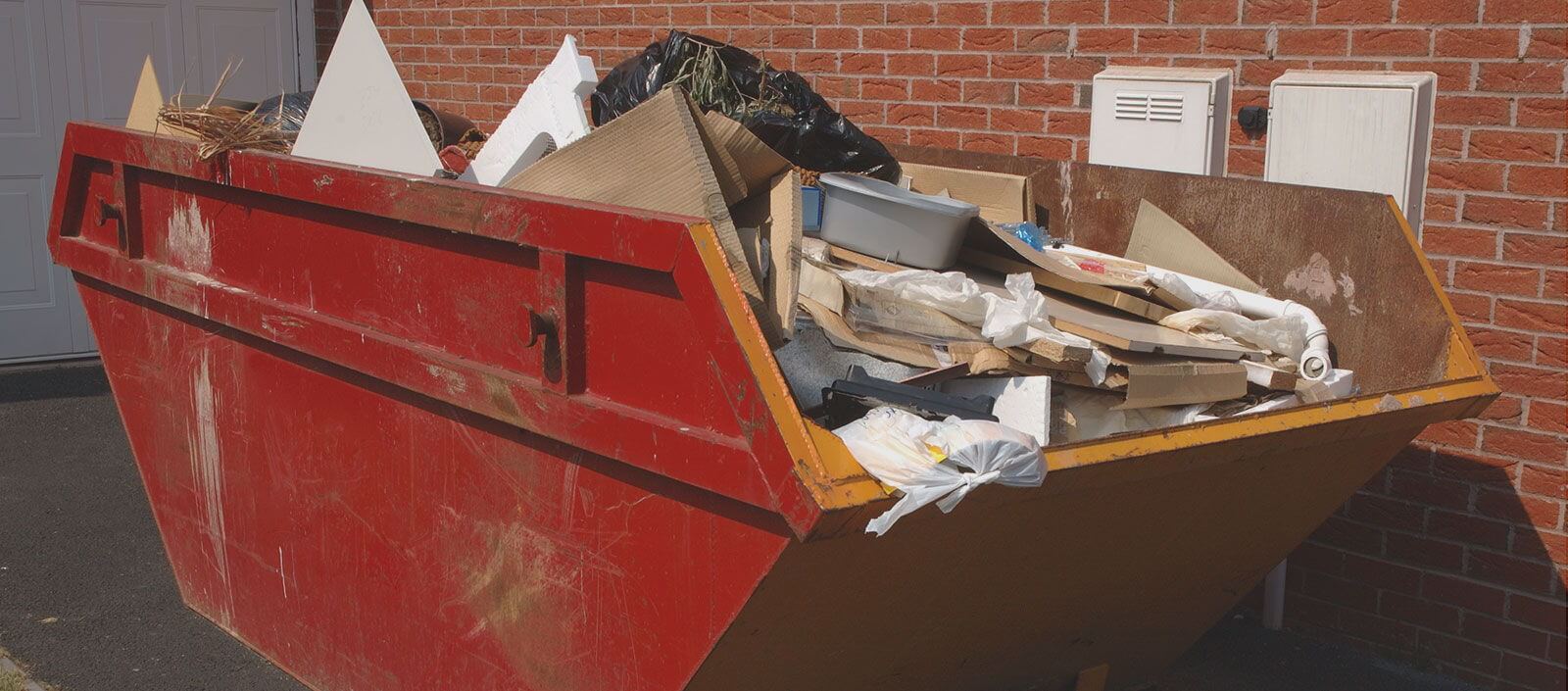
Compare rubbish collection prices W14 houses vs flats
Posted on 21/10/2026

If you're trying to compare rubbish collection prices W14 houses vs flats, you're probably already noticing something odd: two homes on the same street can get very different quotes. A house with a front drive may be straightforward. A flat on the third floor, with tight stairs, shared access, and parking headaches? That can change the price quite a bit. In W14, those little details matter more than people expect. This guide breaks it down properly, without the fluff, so you can judge what is fair, what is just extra, and where the real savings usually are.
We'll look at how pricing works, why houses and flats are often priced differently, what to ask before you book, and how to avoid the usual surprises. Truth be told, waste removal pricing is rarely about one simple number. It's about access, volume, labour, time, and a few practical realities that are easy to miss until someone is standing in the hallway with a trolley.
Why Compare rubbish collection prices W14 houses vs flats Matters
Comparing prices between houses and flats in W14 is not just about chasing the cheapest quote. It helps you understand why one property type often costs more to clear than the other. That matters because, in a busy part of West London, pricing can shift quickly if access is awkward, parking is limited, or the job needs more labour than first assumed.
For a house, waste collectors often benefit from simpler loading. The team may be able to park close by, move items from a front garden or hallway, and finish the job faster. For flats, the picture is often less neat. Shared entrances, lift restrictions, loading bays, management rules, and longer carries all add time. And time, as you'd expect, is money.
There's also a trust angle here. If you understand the difference between a genuine access cost and a vague "service fee", you're in a much stronger position. You can ask better questions, compare quotes properly, and avoid overpaying for a job that should have been fairly priced from the start.
One more thing: in W14, properties vary a lot. You might have a ground-floor maisonette that behaves more like a house, or a converted flat with a narrow staircase that feels like a small obstacle course. The label on the door doesn't always tell the full story.
How Compare rubbish collection prices W14 houses vs flats Works
At its core, rubbish collection pricing is based on the amount of waste, the type of waste, and the effort required to remove it safely and legally. When people compare rubbish collection prices W14 houses vs flats, the biggest differences usually come from access and handling, not simply the postcode.
Here's how it usually works in real life:
- Volume: How much rubbish is there? A few bags, a sofa, a full clearance, or a mixed load?
- Weight and type: Heavy items such as bricks, soil, appliances, or furniture can cost more to remove than light bagged waste.
- Access: Is there easy road access, a lift, stairs, controlled entry, or a long carry from the vehicle?
- Parking: Can the vehicle stop nearby, or will the team lose time circling for a space?
- Labour: Does the job need two people, extra trips, or careful dismantling?
- Sorting requirements: Some waste needs separating, especially where recycling, electricals, or mixed materials are involved.
For a house, a quote may be simpler because the collector can often estimate the job from outside or from a quick description. With flats, the estimate can be less stable until they know whether they can use a lift, whether there's a concierge, and whether bulky items fit through communal doors. Anyone who has tried to angle a wardrobe down a narrow stairwell will know exactly why this matters.
Quotes are usually either fixed-price or based on estimated load size. A fixed-price quote can be helpful if the property details are accurate. A load-based quote may be more flexible, but only if the company explains what is included. If they do not, that's where hidden extras tend to creep in. Not ideal, obviously.
Key Benefits and Practical Advantages
Taking time to compare house and flat pricing gives you more control over the job. That sounds simple, but it saves a lot of hassle in practice.
- Better budget planning: You can see whether the difference is due to the property type or just inconsistent pricing.
- Fewer surprise charges: If you mention stairs, lifts, parking, and access up front, the final price is less likely to jump.
- Faster booking: Clear information leads to quicker quotes and smoother scheduling.
- Cleaner expectations: You know whether the team will handle lifting, bagging, dismantling, or just collection.
- Less stress on the day: You're not trying to explain a blocked entrance five minutes before arrival.
There's also a practical advantage for landlords, letting agents, and residents dealing with tenancy changes. Flats often produce more awkward mixed waste than houses, especially when furniture, old bedding, packaging, and leftover household items all appear at once. A proper comparison helps you decide whether you need a one-off collection, a fuller clearance, or a broader service. If you want a wider view of what's available, the services overview is a useful place to start.
And to be fair, it's not only about price. Sometimes the cheapest quote becomes the most expensive choice if the crew can't access the property properly and has to reschedule. That's the kind of thing people only enjoy once. Usually.
Who This Is For and When It Makes Sense
This comparison is useful for a few different groups, and the reasons are not exactly the same.
Homeowners in W14
If you live in a house, you may want to check whether your quote reflects easy access or larger waste volumes. House jobs can still be tricky, especially if rubbish is in a rear garden, loft, or basement. But in many cases, houses are easier and quicker to clear than flats.
Flat owners and tenants
If you live in a flat, particularly one with stairs or limited parking, you should compare quotes carefully. Small access issues can add up. A collector may need to factor in waiting time, loading restrictions, or extra lifting. That doesn't mean the price is unfair. It means the quote should be specific.
Landlords and managing agents
End-of-tenancy clearances, abandoned items, and bulky waste from shared spaces often need a fast, tidy response. In this situation, comparing prices helps you choose a provider that can work around building rules without causing a fuss in the hallway.
Students and short-term renters
Student moves and temporary lets often create a slightly chaotic mix of small items, packaging, broken furniture, and forgotten odds and ends. If you're trying to clear a flat quickly, it helps to know whether you're paying for access difficulty or just for volume. For examples of local context, the real cost of student rubbish clearance in the area is worth reading alongside this guide.
Anyone planning a same-day collection
Urgent bookings can be convenient, but speed sometimes brings pricing differences. If you need a fast turnaround, it pays to compare like for like. A same-day job in a flat may cost more than the same load from a house simply because logistics are tighter. That's normal. The key is knowing why.
Step-by-Step Guidance
If you want a fair comparison, don't start by asking, "How much do you charge?" Start with the details that actually shape the price. That is where the real answer lives.
- Describe the property type clearly.
Say whether it's a house, flat, maisonette, or converted building. If it's a flat, mention the floor level, lift access, and any entry restrictions. - List the waste honestly.
Include furniture, bags, appliances, garden waste, builders' waste, or mixed rubbish. If the job includes awkward items, say so. It helps everyone. - Explain access conditions.
Tell the company about stairs, narrow hallways, gated entrances, parking limits, loading bays, or permit needs. - Ask what the quote includes.
Check whether labour, disposal, loading, and recycling are part of the price. Ask whether there may be extra charges for waiting time or difficult access. - Compare at least two or three quotes.
Look at what each provider says, not just the number on the page. A cheaper flat quote may exclude things another company includes. - Check the waste type rules.
Some items need special handling. If you have appliances, electricals, or restricted waste, ask how they will be managed. The waste carrier licence and compliance page explains why this matters. - Confirm the collection day and arrival window.
In a flat, timing can matter more than people think. A quick collection is easier when the building is open, the lift is available, and parking is sorted. - Get the final price in writing.
Even a simple message or emailed quote helps avoid confusion later.
One small but useful tip: if your flat is in a managed block, ask the building team whether there are any restrictions before you book. You'd be surprised how often a collection gets delayed by a locked service entrance or a delivery bay that is suddenly full of vans. It happens.
Expert Tips for Better Results
If you want a better quote, think like the crew on the day. What will slow them down? What will make the job smoother? That mindset usually gets you a more accurate price.
Tip 1: Send photos if the company accepts them. A few clear pictures of the waste pile, stairs, entrance, and parking can sharpen the quote. It's much better than a vague "there's not that much, honest". We've all said that, or heard it.
Tip 2: Separate easy items from awkward ones. Bagged household rubbish is generally simpler than a sofa wedged behind a radiator or a heavy chest of drawers in a top-floor flat. The more clearly you describe the awkward bits, the better the estimate.
Tip 3: Be honest about parking and access. If the vehicle cannot stop outside, say so. If there's a loading restriction at certain times, mention it. Hidden access issues often become hidden costs.
Tip 4: Don't assume flat = expensive or house = cheap. A small ground-floor flat with direct access can be easier than a house with a rear alley, basement store room, and no nearby parking. Context matters. A lot.
Tip 5: Ask whether recycling or reuse is built into the service. A responsible operator should sort materials where possible rather than sending everything straight to disposal. That can be especially relevant for items such as furniture, electricals, and mixed household waste. If sustainability is important to you, the recycling and sustainability information is worth a look.
Tip 6: Watch for vague wording. Phrases like "from GBPX" are fine as a starting point, but they are not a full quote. You want to know what changes the price and by how much.
Tip 7: Make the route simple. If possible, clear the path from the waste to the exit. It sounds basic, but it speeds things up and can help keep the quote lower. One less box in the way can make a bigger difference than you'd think.
Common Mistakes to Avoid
Most pricing problems come from missing details, not from bad intentions. The trick is spotting the usual traps before they cost you time or money.
- Not saying it's a flat: If the quote is based on house access but the job is really on the fourth floor, the price may need to change later.
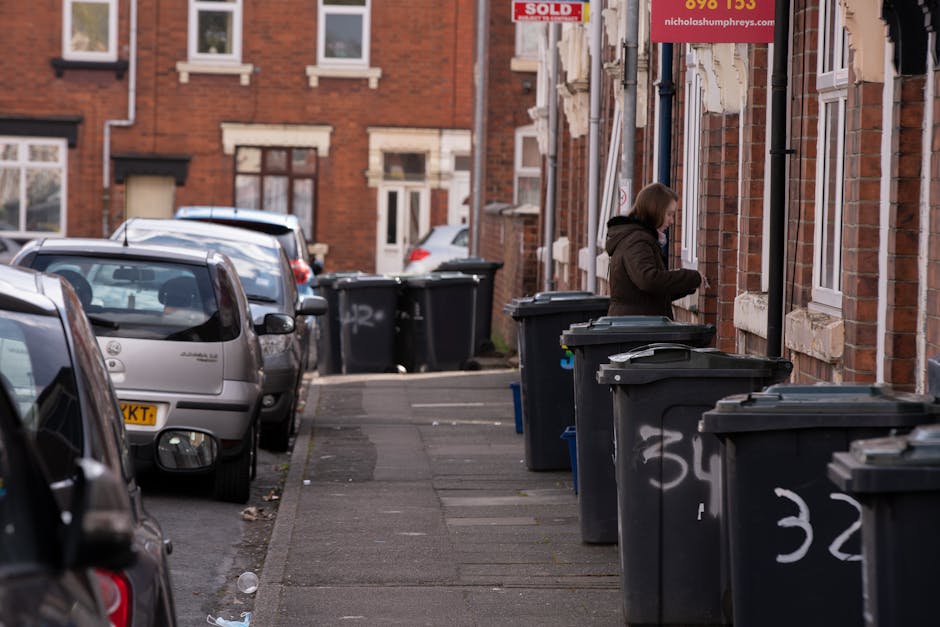
- Ignoring parking issues: In W14, road space can be tight. If a truck can't park nearby, the job gets harder.
- Forgetting building rules: Some flats have delivery windows, concierge procedures, or restrictions on using lifts.
- Underestimating waste volume: A few bags can become a full van very quickly once furniture or dismantled items are included.
- Assuming all waste is the same: Electricals, mattresses, plasterboard, and garden waste can be treated differently.
- Choosing the cheapest quote without checking service scope: A low headline price can hide labour limits or extra fees.
There's also the classic mistake of waiting until the last minute and hoping it all sorts itself out. It rarely does. Rubbish has a habit of sitting there looking innocent until move-out day, and then suddenly it's everyone's problem.
Tools, Resources and Recommendations
You do not need fancy software to compare rubbish collection prices in W14, but a few simple tools make the process much easier.
- Photo checklist on your phone: Take pictures of the waste from a few angles, plus the entrance and stairs if needed.
- Room-by-room waste list: Write down what's being removed so you don't forget items in a spare room or cupboard.
- Measurement estimate: Roughly note how many bags, pieces of furniture, or cubic metres of waste you have.
- Building access notes: Include lift size, floor number, parking restrictions, and gate codes if relevant.
- Service comparison notes: Keep a simple side-by-side list of what each quote includes.
If you're comparing services beyond one-off collection, it can help to look at the broader company profile too. For example, the about us page can give you a better sense of how a provider presents its work, while the pricing and quotes page is useful when you want a clearer view of how estimates are put together.
If you're dealing with a more specific type of waste, use a matching service page rather than guessing. That keeps the quote more accurate and saves a lot of back-and-forth.
Law, Compliance, Standards, or Best Practice
Waste removal is not just a convenience service. It has legal and practical responsibilities attached to it, especially when rubbish is being carried away for disposal or recycling. You do not need to become an expert in waste law to book a collection, but you should know the basics.
First, the collector should be able to deal with waste responsibly and lawfully. In plain English: the waste should be handled by someone who is authorised to carry it, and it should not be dumped where it should not be. If you hand rubbish to the wrong operator, the mess can come back to you. That's not something people think about until there's a problem.
Second, flats often introduce extra compliance issues through building management rules, access procedures, and shared areas. A provider working in a block should behave considerately, avoid blocking communal spaces, and follow any agreed access arrangements. That's basic professional practice, really, but it still matters.
Third, hazardous or awkward waste needs extra care. Items such as chemicals, certain electricals, or other restricted materials should be disclosed in advance. If you're unsure whether something is allowed, it's better to ask first than to leave it by the lift and hope for the best. Hope is not a waste plan.
For more detail on safety and responsible handling, you can review the company's insurance and safety guidance, along with the waste carrier licence and compliance page. If you have a special disposal issue, such as a hard-to-handle item, that information can help you decide whether the job needs extra planning.
Best practice is simple enough: be clear, be honest, and make sure the provider knows exactly what they are collecting before they arrive. That one habit solves a surprising number of issues.
Options, Methods, or Comparison Table
Below is a practical comparison of how rubbish collection often differs between W14 houses and flats. It is not a fixed rulebook. Some flats are easier than some houses, and every quote should reflect the actual property conditions.
| Factor | Houses in W14 | Flats in W14 |
|---|---|---|
| Access | Often simpler, especially with front-drive or ground-level access | Can be slower due to stairs, lifts, entry systems, or communal areas |
| Parking | Usually easier if the vehicle can stop close by | More likely to involve limited loading space or waiting time |
| Labour time | Often quicker if waste is near the exit | Can take longer due to carrying items through shared spaces |
| Quote clarity | Usually easier to estimate from volume and item type | Needs more detail about floor level, lift access, and building rules |
| Risk of extra charges | Lower if access is straightforward | Higher if access or parking was not described properly |
| Best for | House clearances, garden waste, mixed domestic rubbish | Bulky item removal, tenancy clear-outs, shared-block collections |
If you are planning a broader home clearance, it can also help to look at related services such as house clearance or loft clearance. These are often more relevant than a simple rubbish collection when the volume is higher or the property has multiple storage areas.
For busy households or flats with a mix of furniture and bagged waste, a tailored collection is usually better than trying to force everything into one generic job. The price may be a bit different, yes, but so is the outcome.
Case Study or Real-World Example
Let's take a realistic W14 scenario. A resident in a first-floor flat clears out a bedroom after a tenancy change. The waste includes a small wardrobe, two chair frames, bedding, and several bags of mixed rubbish. The building has a shared entrance, a narrow staircase, and limited roadside space. The collection team also needs to wait briefly for access because the door code was updated that morning. Tiny things, but they add up.
Now compare that with a nearby terraced house clearing the same amount of waste. The items are already near the front hall, the vehicle can stop close to the property, and there's no need to navigate a communal entrance or shared corridor. Even with the same volume, the house job is likely to be cheaper because the labour is simpler and faster.
That does not mean the flat resident was overcharged. It means the quote should reflect the extra effort involved. A good provider will explain that clearly before the booking is confirmed. A poor one might just quote a low number and add on charges later. That's the bit to watch.
In practice, the best outcome came from the customer who sent a few photos, listed the floor number, and mentioned the parking issue up front. The quote was not the lowest, but it was accurate, the crew arrived prepared, and the job was done without any drama. Which, in waste removal, is honestly a win.
Practical Checklist
Use this before you book. It keeps the comparison honest and the quote much more reliable.
- Confirm whether the property is a house, flat, maisonette, or converted building
- Note the number of floors and whether there is lift access
- Check if parking or loading space is available near the property
- List all waste items, including bulky or heavy pieces
- Separate normal rubbish from special or restricted items
- Ask what is included in the quote: labour, loading, disposal, recycling
- Find out whether there are extra fees for difficult access or waiting time
- Take photos of the waste and access route if possible
- Check building rules if you live in a managed block
- Get the final price or quote details in writing
If you can tick off most of those points, you'll be in a much stronger position to compare rubbish collection prices fairly. And you'll avoid that slightly awkward moment when the crew arrives and the plan suddenly changes.
Conclusion
When you compare rubbish collection prices W14 houses vs flats, the real question is not simply which one is cheaper. It is why the price changes, whether the quote reflects the actual property, and how much effort the job will take on the day. Houses often benefit from easier access and faster loading. Flats often need more detail, more planning, and a sharper eye for access issues.
If you remember one thing, make it this: a good quote is specific. It should reflect the waste, the building, the access, and the logistics, not just a postcode and a guess. That is what helps you compare properly and book with confidence.
Get a free quote today and see how much you can save.