Legal tips for disposing hazardous rubbish in Kensington
Posted on 17/08/2026
Hazardous rubbish has a habit of turning a simple clear-out into something far more serious. One minute you are sorting an old tin of paint or a cracked fluorescent tube; the next, you are wondering what is actually legal, what needs special handling, and whether you could end up on the wrong side of a fine. If you are looking for legal tips for disposing hazardous rubbish in Kensington, the short version is this: treat it carefully, separate it properly, and only hand it to a compliant collector or facility. That sounds obvious, but in real life it is where people slip up.
This guide walks you through what counts as hazardous waste, how lawful disposal works in a London setting, where the common pitfalls are, and how to make sensible decisions whether you are clearing a flat, refurbishing a shop, or dealing with a household cupboard full of half-used chemicals. No fluff. Just clear, practical advice that helps you stay safe and stay compliant.
Why Legal tips for disposing hazardous rubbish in Kensington Matters
Hazardous rubbish is not just "messy waste with a label on it". It can include substances or items that can harm people, damage property, pollute drains, or create a fire risk if they are mixed with ordinary rubbish. In Kensington, where many homes are flats, basements, converted buildings, and tightly managed commercial spaces, the margin for error is smaller than people think.
Let's face it: in a narrow street with limited storage and awkward access, one badly handled paint pot or battery box can become a nuisance very quickly. A bag left by the communal bins is not a plan. Nor is "someone will probably take it".
There is also a legal side that matters. Duty of care, correct description of waste, safe transfer, and using appropriately licensed waste carriers are not just bureaucratic boxes to tick. They protect you if something goes wrong. If the waste is later fly-tipped, mishandled, or traced back incorrectly, your records matter. A lot.
For landlords, shop owners, office managers, and homeowners alike, the legal risk is often bigger than the disposal fee. A well-run process reduces the chance of complaints, accidents, blocked access issues, and awkward follow-up conversations with building management. If you have ever seen a basement corridor with a leaking container and a worried caretaker looking on, you already know the practical side of this.
Expert summary: The safest approach is to identify the hazardous item, keep it separate, document it, and pass it only to a compliant collector or approved facility. Simple in principle, but essential in practice.
How Legal tips for disposing hazardous rubbish in Kensington Works
The lawful process is less mysterious than people expect. First, you identify the waste. Then you decide whether it is household hazardous waste, commercial hazardous waste, or construction-related hazardous material. After that, you choose the right route: a specialist collection, a licensed waste carrier, or a suitable facility that can accept it.
What makes Kensington a little more complex is the setting. Access can be tight, parking can be awkward, and waste may need to be moved through shared hallways or from upper-floor flats. That means the practical side of compliance matters almost as much as the legal side.
For example, a cracked solvent tin in a loft clearance is not the same as a box of old printer cartridges from an office clearance. One may need extra containment; the other may be recyclable but still needs proper segregation. If you are unsure, do not guess. Hazardous waste is the kind of thing where "close enough" is usually wrong.
In many real-world cases, the best process looks like this:
- Identify and separate the hazardous item.
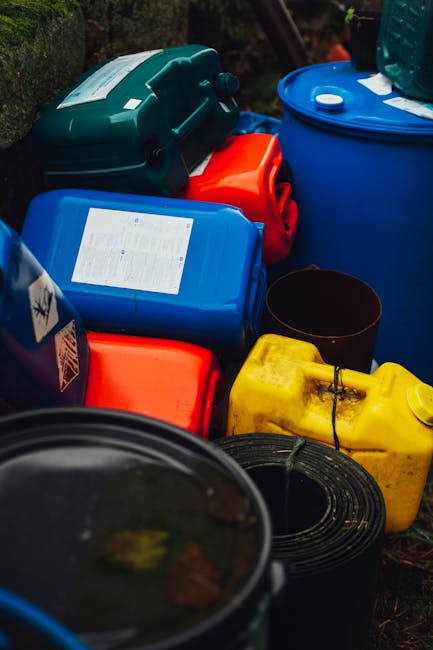
- Keep it in its original container where possible.
- Do not mix incompatible materials.
- Check whether special handling is needed for batteries, chemicals, oils, paint, or electrical items.
- Arrange collection or drop-off through a compliant route.
- Keep paperwork or transfer details for your records.
If you want a broader look at how organised disposal workflows are managed, our article on streamlining waste disposal processes for large organizations is a useful companion read, especially for commercial premises that produce mixed waste streams.
Key Benefits and Practical Advantages
Doing this properly is not only about avoiding trouble. It also makes the whole clear-out easier. Once hazardous items are separated, the rest of the rubbish is simpler to handle. That often means fewer delays, better collection planning, and less chance of a refused pickup.
Here are the main practical benefits:
- Lower legal risk: You reduce exposure to fines, complaints, and liability if waste is mishandled.
- Cleaner site conditions: Hazardous leaks, smells, and contamination are less likely to spread.
- Better recycling outcomes: Some items, especially electricals and metal-containing waste, can be treated more effectively when separated early.
- Faster operations: A pre-sorted load is easier for a carrier to assess and remove.
- Less stress for occupiers: Residents, staff, and neighbours are less likely to be affected.
There is also a money angle, though not in the dramatic way some people assume. Poor sorting can create avoidable extra handling. It can also lead to failed collections, which is exactly the sort of thing that produces frustration at 8:15 on a wet Kensington morning. Nobody enjoys that.
For those managing ongoing waste output, especially in shops, offices, or hospitality settings, it can be worth reading commercial rubbish removal for Kensington shops and offices alongside this guide, because commercial premises often have the widest mix of risk categories.
Who This Is For and When It Makes Sense
This topic matters to a wide group of people, not just businesses with storage rooms full of old stock. In our experience, the biggest surprises come from ordinary households. A few leftover cans in a cupboard. A garage shelf with solvents from a DIY project. Old batteries in a kitchen drawer. Suddenly you have hazardous waste without really meaning to.
This guide is especially relevant if you are:
- clearing a home, loft, basement, or garage
- moving property and need to leave it empty and safe
- renovating a flat or house
- running a shop, office, or hospitality venue
- managing rented accommodation or a block of flats
- dealing with white goods, batteries, chemicals, or old electrical items
It also makes sense if you are dealing with a one-off awkward item. A single fluorescent tube is not a mountain of waste, but it still needs care. Same with aerosols, medical sharps, or old cleaning chemicals. The volume may be small; the risk may not be.
If your situation involves property transactions or a move-out deadline, the timing becomes tighter. In that case, articles like selling and purchasing homes in Kensington can be useful for understanding how clear-outs fit into a wider move. It sounds mundane, but waste timing and completion dates often collide.
Step-by-Step Guidance
Here is a practical, no-nonsense way to handle hazardous rubbish in Kensington without making life harder for yourself.
1. Identify the item carefully
Check labels, symbols, condition, and packaging. Is it paint, solvent, battery, fluorescent lighting, pesticide, oil, or a chemical cleaner? Is it damaged, leaking, or sealed? If the label is missing, err on the cautious side.
2. Separate hazardous waste from ordinary rubbish
Do not throw it in with general waste. Mixing waste streams is one of the most common mistakes people make, and it can contaminate a whole load. That means more handling, more risk, and sometimes refusal by a collector.
3. Keep contents in suitable containers
Where possible, retain the original container. If that is impossible, use a clearly labelled, secure container that will not leak. Avoid loose stacking. Avoid makeshift wrapping. A little tape can seem clever until it comes unstuck.
4. Check whether the item needs specialist handling
Some items are sensitive to movement or temperature. Others can react badly if mixed. Batteries, oils, solvents, and pressurised containers deserve extra care. If you are not sure, ask before you move anything further.
5. Plan collection access in advance
This is especially important in Kensington, where access can be limited. Think about parking, stairs, concierge rules, lift size, and the time window allowed by the building. If the carrier cannot reach the waste safely, the job can stall.
For access-related planning, this piece on rubbish pickups with blocked access in West Kensington is very practical, even though the topic sounds oddly specific. It is specific because the problem is specific.
6. Use a compliant waste route
Choose a licensed, traceable disposal route. That may mean a specialist collection or a service capable of handling hazardous material properly. If you are using a third party, check that their paperwork is in order and that they are transparent about what they take.
7. Keep records
Do not underestimate this part. A simple note of what was removed, when, and by whom can save a lot of hassle later. For commercial settings especially, records support duty of care and internal audits.
8. Confirm the site is left safe
After removal, check for residue, broken fragments, stains, or sharp edges. A cleared shelf is not truly cleared if a leaking patch is still there behind it.
Expert Tips for Better Results
Here are the small things that make a surprisingly big difference.
- Pre-sort before the crew arrives. If you can group batteries, paint, chemicals, and electrical items separately, everything becomes smoother.
- Label mystery items. If a container no longer has a clear label, write your best description on it. "Old paint, partly full" is better than nothing.
- Photograph anything questionable. It helps with quoting and with internal record-keeping. Handy if a question comes up later.
- Keep incompatible materials apart. Bleach and ammonia are a bad mix. So are several other combinations. Best not to improvise chemistry in the hallway.
- Choose the right collection time. Morning access is often easier in Kensington before the streets get busier.
- Ask about handling restrictions early. That avoids the awkward moment when a crew arrives and discovers a load cannot be taken as expected.
A small but useful habit: keep a single box or tub for hazardous household items all year round. One place for spare batteries, old bulbs, and similar things. It turns a future panic into a tidy sort-out. Very boring. Very effective.
If you are trying to keep disposal costs under control, the guidance in avoid hidden rubbish removal charges in Kensington can help you understand how poorly described waste often leads to confusion or extra work.
Common Mistakes to Avoid
People usually get into trouble by rushing. Sometimes by assuming a waste item is "just rubbish". Sometimes by trying to save time. Here are the biggest avoidable errors.
- Mixing hazardous waste with general waste. This is the classic one, and it causes most problems.
- Leaving items in communal areas. Shared hallways, bin stores, and front steps are not temporary storage.
- Assuming all electrical items are harmless. Even when not obviously dangerous, they can contain components that need proper treatment.
- Ignoring leaking containers. A slow leak is still a leak.
- Forgetting about permits or access rules. A perfectly compliant collection can still fail if the vehicle cannot stop legally.
- Using an unverified collector. If they are vague about licensing or disposal routes, that is a warning sign.
There is also a subtler mistake: underestimating how much waste is actually hazardous. During a loft clearance, for example, you may uncover old tins, aerosol cans, cleaning fluids, and half-forgotten DIY leftovers all in one go. It happens more often than you would expect.
For bulky or awkward clearances, you may also find it useful to read about common delays with bulky rubbish collection in W14 flats, because the same access problems often affect hazardous items too.
Tools, Resources and Recommendations
You do not need specialist equipment for every situation, but a few basic tools can make the process safer and neater.
| Tool or item | Why it helps | Best use |
|---|---|---|
| Sealable containers | Reduce leaks and spills | Loose chemicals, residues, small hazardous items |
| Strong labels | Keep contents identifiable | Items without original packaging |
| Heavy-duty gloves | Protect hands during handling | Sorting, lifting, inspection |
| Protective wrap or bags | Contain fragments or residue | Broken bulbs, contaminated small items |
| Camera phone | Creates a record of condition | Quoting, audits, and post-removal checks |
Recommendations are simpler than they sound. Keep a small household hazard box. Take a quick photo before removal. Do not store anything near heat sources. And if a container is bulging, cracked, or giving off a strange smell, deal with that promptly. No heroics needed.
If you need broader support across household or mixed waste, the pages on domestic waste collection West Kensington and waste removal West Kensington can help frame the general disposal process around your hazardous items.
Law, Compliance, Standards, or Best Practice
Hazardous waste is regulated in the UK under a combination of legal duties, classification rules, transport obligations, and safe handling expectations. The exact obligations depend on the type of waste and whether it is household or business waste, but the broad principle is consistent: you must not dispose of hazardous rubbish carelessly, and you should be able to show it was handled properly.
For businesses, duty of care is a major issue. That usually means you need to know what the waste is, store it safely, transfer it to an authorised carrier, and keep suitable paperwork. For households, the process is less paperwork-heavy, but the safety and transfer expectations still matter.
Best practice usually includes:
- clear identification of the waste type
- safe segregation from non-hazardous rubbish
- appropriate packaging or containment
- use of a licensed and traceable waste route
- careful records, especially for commercial sites
In Kensington, practical compliance often also means planning around access, parking, and building rules. A legal collection that cannot be completed because the access arrangement was not thought through is still a failed collection. It sounds obvious after the fact, which is always how these things work.
If you manage a workplace, office clearance West Kensington and commercial waste removal West Kensington are relevant service pages to understand how mixed business waste is usually organised.
Options, Methods, or Comparison Table
There is more than one lawful way to deal with hazardous rubbish. The right choice depends on volume, item type, access, and urgency.
| Method | Best for | Pros | Watch-outs |
|---|---|---|---|
| Specialist collection | Mixed hazardous items, awkward access, urgent clear-outs | Convenient, managed, often quickest | Requires accurate item description and clear access |
| Drop-off via approved route | Small quantities, straightforward transport | Can be suitable for limited volumes | You must transport and sort items safely yourself |
| Integrated waste removal service | House clearances, office clearances, renovation waste | Good for mixed loads and larger jobs | Needs good pre-sorting if hazardous items are present |
In a small flat, a single collection can be the cleanest option. In a shop refurbishment, the better route may be a coordinated service that handles the general waste separately from hazardous leftovers. In a large property or multi-unit building, planning matters more than speed. Usually. There are exceptions, of course, but planning still wins most of the time.
If you are comparing practical disposal routes, this local page on pricing and quotes can help set expectations when you are trying to balance compliance and budget.
Case Study or Real-World Example
Here is a realistic example from a Kensington flat clearance. A resident was moving out of a second-floor apartment and had gathered several boxes from the kitchen, utility cupboard, and balcony storage. At first glance it looked like ordinary clutter. But once sorted, the pile included old aerosol cans, half-used cleaning chemicals, a broken lamp tube, a few loose batteries, and two tins of paint that had gone solid around the edges.
The first instinct was to place everything together for a quick pickup. That would have been the wrong move. Instead, the items were separated, photographed, and checked before collection. The batteries and electrical items were kept apart from liquids and tins. The broken tube was wrapped safely. The paint tins were sealed and described accurately. Simple steps, but they prevented cross-contamination and made the handover smoother.
The most useful lesson from that job was not dramatic. It was that a 20-minute sort-out at the start can save a morning of hassle later. And if you live in a building with tight stairwells and neighbours who notice every bit of hallway activity, quiet efficiency matters more than people admit.
Jobs like this also overlap with wider clearance work. If your move involves furniture, appliance, or loft items too, the pages on house clearance West Kensington and loft clearance West Kensington may help you plan the bigger picture.
Practical Checklist
Use this checklist before arranging disposal.
- Have I identified every hazardous item clearly?
- Are any items leaking, cracked, or exposed?
- Have I separated hazardous waste from general rubbish?
- Are original labels or descriptions available?
- Have I confirmed the collection or drop-off route is suitable?
- Do I know whether the carrier is compliant and able to take this waste type?
- Is access clear for removal, including parking and stairs?
- Have I taken photos or notes for my records?
- Have I checked for residue, shards, or contamination after sorting?
- Is everything stored safely until removal day?
If you can tick all ten, you are in a strong position. If not, slow down and sort the weak points first. Better to delay by a day than create a mess you did not need.
Conclusion
Legal tips for disposing hazardous rubbish in Kensington are really about three things: identify the waste, keep it separate, and use a proper disposal route. Once you do that, the rest becomes much less intimidating. You protect yourself, protect the building, and avoid the kind of awkward problems that usually show up only after somebody has already gone home.
In a dense part of London like Kensington, where access, neighbours, and timing all matter, good disposal habits are worth their weight in gold. Not glamorous. But worth it. If you take one thing from this guide, let it be this: do the careful bit first, and the rest gets easier.
Get a free quote today and see how much you can save.
And if you are still standing in front of a cupboard full of mystery items, that is okay. Take it one bag, one tin, one decision at a time. That approach tends to work rather well.