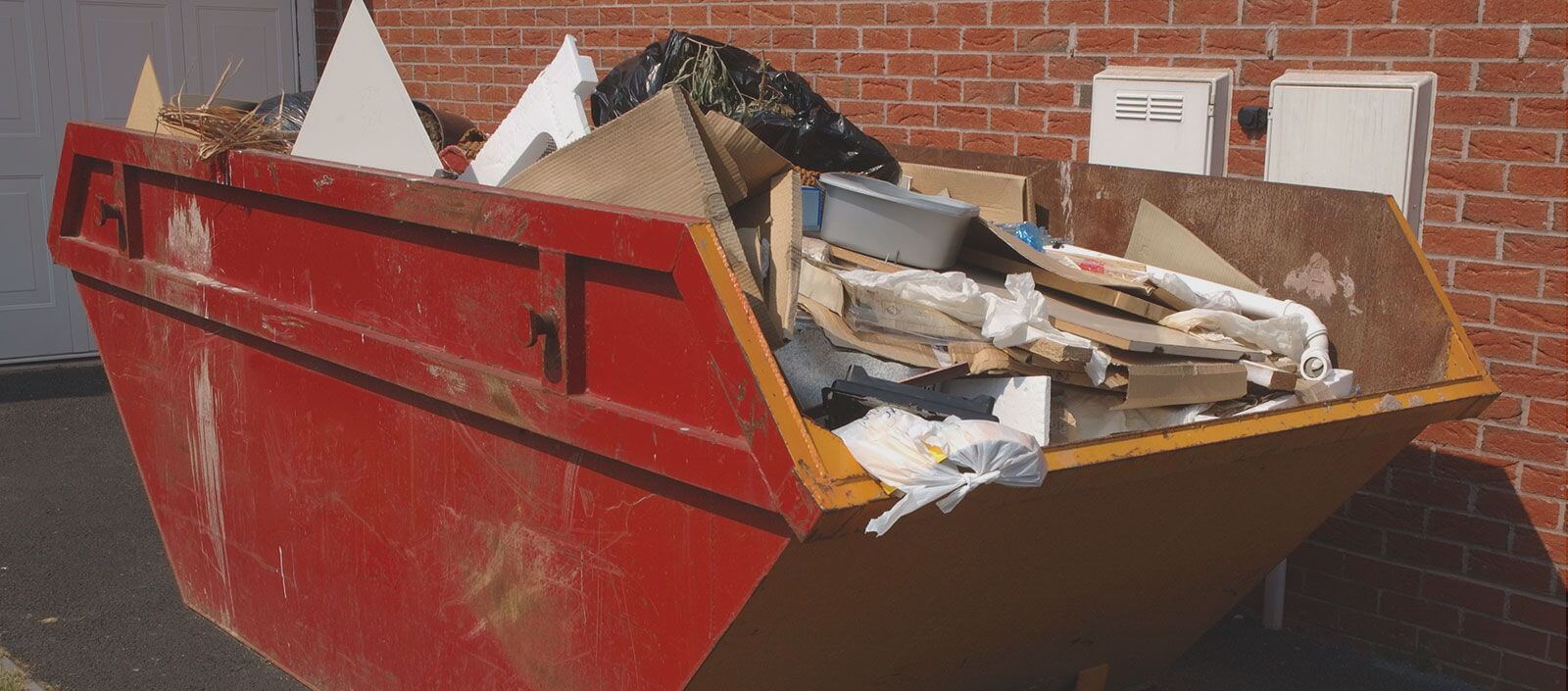
Permit rules for skip hire in West Kensington W14
Posted on 01/08/2026

If you are planning a clear-out, renovation, or garden project in West Kensington, skip hire can feel wonderfully straightforward until the permit question lands on your desk. Do you need one? Who applies? What happens if the skip sits on the road outside your property? The permit rules for skip hire in West Kensington W14 are not complicated once you break them down, but getting them wrong can mean delays, extra costs, or a skip that simply cannot be placed where you wanted it.
This guide gives you the practical version, not the confusing version. We will walk through when a skip permit is usually needed, how the process works in real life, what local residents and businesses often overlook, and how to keep your hire moving smoothly. If you are dealing with a flat on a busy street, a house renovation, or a small commercial job, the details matter more than you might think. Truth be told, in a place like West Kensington, access and pavement space can change the whole plan.
Why Permit rules for skip hire in West Kensington W14 Matters
A skip is only easy if you have somewhere legal and safe to put it. That is the simple truth. In West Kensington, many properties sit on tighter residential streets, shared access roads, or busier main routes, so the difference between placing a skip on private land and placing it on the public highway can be significant.
If a skip sits on the road, footway, or another public area, a permit is usually part of the process. Without it, you could face problems with the local authority, your hire could be refused, or the skip could be removed. Nobody wants that. It is one of those small admin tasks that becomes a much bigger headache if you ignore it for a day.
Permit rules matter for another reason too: they help keep roads passable and pedestrians safe. That matters particularly in an area with narrow streets, parked cars, delivery traffic, and the usual London rhythm of bikes, buses, and people carrying coffee with far too much confidence. A permit is not just paperwork; it is part of responsible waste management.
If you are organising a larger clearance, you may also want to look at the wider planning side of the job. For example, projects involving office contents or commercial waste often benefit from a more structured approach, similar to the thinking in streamlining waste disposal processes for large organizations. Different scale, same principle: plan before you fill the container.
How Permit rules for skip hire in West Kensington W14 Works
Here is the plain-English version. If your skip goes on private property, such as a driveway, forecourt, or private yard, you typically do not need a permit. If it goes on a public road or pavement, a permit is usually required. That permit normally relates to the location of the skip, not the type of waste inside it.
The skip hire company often handles the permit application on your behalf, but not always. Some providers include this in the service, while others treat it as an additional arrangement. That is why checking the quote carefully matters. A low headline price can look appealing, then suddenly there is an extra permit charge, plus a delay because the paperwork has not been sorted. Annoying, really.
In practice, the process tends to look like this:
- You decide whether the skip will be on private land or the public highway.
- You confirm the size of skip you need and how long you will keep it.
- Your hire provider checks whether a permit is necessary.
- If a permit is needed, the application is submitted before delivery.
- The skip is delivered only once permission is in place, or once the provider is satisfied that it can legally be placed.
- At the end of hire, the skip is collected and the permit period ends with it.
The timing can vary. Some permissions are straightforward, while others take longer because the placement area is constrained or because the street is already busy. If you have a deadline, say a moving date or a refurbishment handover, do not leave this to the last minute.
For readers comparing skip hire with other ways of removing waste, it can also help to understand the wider service mix. A lot of people start with skip hire but end up choosing rubbish collection in West Kensington or waste removal in West Kensington when access is awkward or the job is too small for a skip. That is often the smarter route for flats and busy streets.
Key Benefits and Practical Advantages
When the permit side is handled properly, skip hire becomes much easier to live with. There is less stress, fewer surprises, and a better chance of keeping your project on schedule. That sounds obvious, but in busy parts of W14, "smooth" often comes down to tiny details.
- Legal placement: You avoid the risk of a skip being placed unlawfully on the road or pavement.
- Fewer delays: A sorted permit means delivery can happen when you expect it to.
- Better budgeting: You can factor the permit into the total cost up front.
- Safer surroundings: Proper placement helps avoid obstructing pedestrians, bins, driveways, and emergency access.
- Less admin stress: The provider often manages the process if you request it early enough.
There is also a practical benefit many people miss: permit planning often forces you to think more carefully about skip size and waste volume. That is not a bad thing. A slightly smaller, well-timed skip can be far better than an oversized one that blocks access and sits half-empty for days.
In domestic projects, this often pairs well with services like house clearance in West Kensington or loft clearance when the waste is mixed and access is tight. For heavier household items, some people even choose furniture removal instead of a skip. There is no single right answer. There is only the right answer for your property and your timeline.
Who This Is For and When It Makes Sense
Skip permits are relevant to a wide range of people in West Kensington, but they are especially important if you live or work somewhere with limited private space. A lot of W14 properties fit that description, to be fair.
This topic matters most if you are:
- doing a home renovation and need a waste container outside the property;
- clearing out a flat without a driveway or front garden;
- managing building work where materials will pile up fast;
- running a shop, office, or small commercial premises with limited rear access;
- tidying a garden where waste cannot easily be stored on site;
- organising a move and need a temporary solution for mixed rubbish.
It may also make sense to skip the skip, if you will excuse the phrase, when the job is small or the access is awkward. In those cases, a booked collection or a one-off waste removal visit can be quicker. Someone clearing a few bulky items from a first-floor flat near a narrow street may be much better served by advice on bulky collection delays in W14 flats or by an alternative service entirely.
Commercial users should also think about workflow. A builder on a tight programme, a landlord between tenancies, or an office manager clearing old desks all need different levels of coordination. If that sounds like you, it is worth reviewing commercial waste removal in West Kensington and office clearance as alternatives or complements to skip hire.
Step-by-Step Guidance
If you want the permit process to feel manageable, start here. This is the version I would give a client standing in a hallway with a tape measure, trying to work out whether a skip will fit outside the building. It is not glamorous, but it works.
1. Check where the skip will sit
First, decide whether the skip will be on private land or on a public road. If it can go on a driveway or inside a private boundary, that is usually simpler. If not, assume a permit may be required.
2. Measure the access, not just the space
People often measure the parking bay and stop there. Big mistake. You also need to think about turning room, delivery vehicle access, nearby parked cars, lamp posts, and whether the truck can safely unload. West Kensington streets can be trickier than they look on a map.
3. Choose the right skip size
Do not guess wildly. Too small and you will need a second skip or a swap-out; too large and you may overpay or create avoidable obstruction. If the job involves mixed household rubbish, old furniture, or general refurbishment debris, talk through the load type as well as the volume.
4. Ask who handles the permit
Some hire companies manage the permit application for you. Others expect the customer to arrange it. You want clarity on this before booking, not after the skip is already on a lorry somewhere.
5. Confirm timing
Permit processing can take time, so build in a buffer. If you are planning around builders, decorators, or a move-out date, that buffer matters more than you think.
6. Plan the waste type
Different waste streams are handled differently. General household waste is one thing; soil, rubble, plasterboard, white goods, or mattresses can add complication. For instance, if your project includes appliances, you may also need white goods and appliance disposal rather than just a skip.
7. Keep the area compliant during hire
Once the skip is in place, keep it visible, safe, and within the agreed position. If the permit requires lights, markings, or other safety measures, make sure those are in place. This is one of those moments where a little care prevents a lot of bother.
Expert Tips for Better Results
Here are the little things that make a big difference. Not theory. Real-world stuff.
Book earlier than you think. If your project is time-sensitive, avoid leaving the skip arrangement until the week you need it. Permit lead times can be a nuisance, and that is putting it politely.
Keep the waste stream clean. Do not mix prohibited materials into general waste. It can cause collection issues, extra charges, or a refusal to take the load. Mixed waste is a common source of friction, especially on building jobs.
Use the right alternative when access is poor. A lot of West Kensington properties have awkward entry points, basement access, shared courtyards, or restricted parking. In those cases, a planned collection may be more efficient. If you are unsure, compare skip hire with builders waste disposal or a general rubbish collection service.
Ask about the full cost. A transparent quote should make clear what is included, what is excluded, and whether the permit is part of the price. It is worth reading the small print rather than assuming. We all do it sometimes, then regret it later.
Consider the street itself. Busy roads, school runs, delivery windows, and resident parking all affect how practical a skip will be. You may get permission and still discover that the placement is awkward at certain times of day. Early morning can be calmer. Late afternoon, less so.
Expert summary: The smoothest skip hire jobs are the ones where access, timing, waste type, and permit responsibility are decided before the booking is confirmed. That one conversation saves more headaches than almost anything else.
If cost control matters, you may also find it helpful to compare service bundles and read up on pricing and quotes before making a final choice. Not because every quote is complicated, but because the details are where budget leaks usually happen.

Common Mistakes to Avoid
The mistakes here are rarely dramatic. They are usually small, practical oversights that snowball into inconvenience. Very London, in a way.
- Assuming no permit is needed. If the skip touches public land, do not assume you can just place it there.
- Leaving permit arrangements too late. The skip may be ready before the paperwork is.
- Booking the wrong size. Overfilling a skip is awkward and may not be accepted on collection.
- Ignoring access restrictions. Low bridges, narrow roads, and parking rules can affect delivery.
- Not checking what waste is allowed. Hazardous or restricted items may need special handling.
- Forgetting neighbours or building managers. On shared streets or blocks, courtesy saves arguments.
A common one in West Kensington is underestimating how tight shared access can be. A skip may technically fit, but the delivery lorry may struggle. That distinction matters. It is the difference between "booked" and "actually delivered."
Another mistake is forgetting to think beyond the skip itself. If you are clearing bulky furniture, old mattresses, or a mixture of garden and household waste, separate services can sometimes be cleaner and faster. For instance, furniture disposal in West Kensington or garden waste removal may work better than stuffing everything into one container. Sometimes simpler is better. Honestly.
Tools, Resources and Recommendations
You do not need a huge toolkit to deal with skip hire well. What you do need is a bit of organisation and a few common-sense resources.
- Basic site measurements: width, length, height, and clearance around the drop-off point.
- Waste list: a rough breakdown of what you are throwing away.
- Timeline: collection dates, builder access, and any local restrictions.
- Photographs: useful for showing access conditions to the hire provider.
- Budget allowance: include permit costs, hire duration, and possible extras.
It can also help to read related pages that explain how waste services work in the area. For example, the services overview gives a broader sense of what is available, while waste carrier licence and compliance is useful if you want reassurance about how legal waste handling should be managed. Small things, but worth knowing.
If your project is part of a move, renovation, or property refresh, you may also find these guides helpful: selling and purchasing homes in Kensington, house clearance, and furniture removal. They are not skip guides, obviously, but they sit in the same real-world decision space.
Law, Compliance, Standards, or Best Practice
Let's keep this careful and practical. Skip permits are governed by local authority rules and highway placement requirements, and the exact process can differ depending on where the skip will sit and how the street is used. Because of that, it is best not to treat a permit as a casual extra. It is part of the legal and safety framework for putting a skip on public land.
Best practice usually includes:
- confirming whether the skip is on private or public land;
- making sure the permit is in place before delivery if required;
- placing the skip where it does not create avoidable obstruction;
- using lights, markings, or other safety measures if requested;
- keeping waste within the agreed terms of hire;
- using a licensed waste carrier for collection and disposal.
From a household or landlord perspective, the compliance side is mostly about not making assumptions. If the skip is outside the boundary line, ask the question. If the hire provider says they will deal with the paperwork, ask what that includes. If access is tight, ask whether the vehicle can safely reach the space. These are not overcautious questions; they are the right questions.
For businesses, the standard should be even higher. Waste handling sits alongside wider operational responsibilities, and a tidy, documented approach can prevent disruption. That is one reason many commercial customers also review commercial rubbish removal for Kensington shops and offices or insurance and safety information before they commit to a method.
Options, Methods, or Comparison Table
Not every job needs the same solution. If you are trying to choose between a skip and other removal options, this side-by-side view should help.
| Option | Best for | Permit likely needed? | Main advantage | Main drawback |
|---|---|---|---|---|
| Skip hire on private land | Homes with drives, forecourts, or private yards | No, usually not | Simple and convenient | Needs space on your property |
| Skip hire on the road | Properties without private space | Yes, usually | Works where access is limited | Permit timing and street restrictions |
| Man-and-van style collection | Bulky waste, mixed household items, quick clear-outs | No, usually not | Flexible and often faster | Less suitable for larger volumes |
| Targeted specialist disposal | Furniture, white goods, garden waste, builders' debris | No, usually not | More efficient for specific waste types | May require multiple services |
For many West Kensington residents, the real choice is not simply "skip or no skip." It is whether a skip is the most practical route given street access, waste type, and timing. A person clearing a flat near Fulham Road may need something different from a contractor working on a small refurbishment. That is normal.

Case Study or Real-World Example
Picture a typical West Kensington scenario. A family is preparing to refresh a two-bedroom flat before new tenants move in. There is old carpet, broken shelving, a couple of bulky chairs, and assorted bagged waste. At first glance, a skip seems ideal.
Then the practical reality appears. There is no driveway, the street is narrow, and cars are parked tightly on both sides. The property manager also wants the pavement kept clear for neighbours and deliveries. A skip on the road would likely need a permit, and the delivery time would have to be chosen carefully.
After checking the access, the family decides that a smaller skip might work, but only if the permit is sorted in advance and the delivery is booked for a quieter part of the day. They also separate the furniture for dedicated collection, which reduces the fill level and keeps the skip manageable. In the end, the job is cleaner, cheaper, and far less stressful than forcing everything into one oversized container.
That example comes up more often than you would think. A little planning changes the whole experience. If the waste includes larger single items, it can sometimes be smarter to pair a skip with a dedicated service such as appliance disposal or furniture disposal. It is not flashy, but it is effective.
Practical Checklist
Before you book, run through this list. It takes a few minutes and can save hours later.
- Have you confirmed whether the skip will be on private land or a public road?
- Do you know whether a permit is needed?
- Has the hire provider confirmed who applies for the permit?
- Have you allowed enough time for approval and delivery?
- Have you measured the access point carefully?
- Do you know the right skip size for your waste volume?
- Have you checked whether any items need special disposal?
- Have you compared the total price, including permit and hire duration?
- Have you considered whether a different collection service would be more suitable?
- Have you planned where the skip will go without blocking neighbours or essential access?
Quick reality check: if any of those answers feel fuzzy, pause and clarify before you book. That is not overthinking. That is avoiding a mess.
Conclusion
The permit rules for skip hire in West Kensington W14 are mainly about location, timing, and common sense. If the skip stays on private ground, the process is usually simpler. If it needs to go on the road or pavement, expect a permit to be part of the job. The key is to plan early, ask who handles the paperwork, and match the waste solution to the actual property, not the idealised one in your head.
For many people, the best result comes from treating skip hire as one option among several, not the only option. Some projects need a skip. Others work better with targeted collections, specialist disposal, or a mixed approach. When you choose carefully, everything becomes easier: fewer delays, better value, less stress, and a much tidier end to the day.
If you are still weighing up the most practical route for your property or project, take a moment to compare the service fit before you book. A thoughtful decision now can save a lot of scrambling later, and that always feels better.
Get a free quote today and see how much you can save.