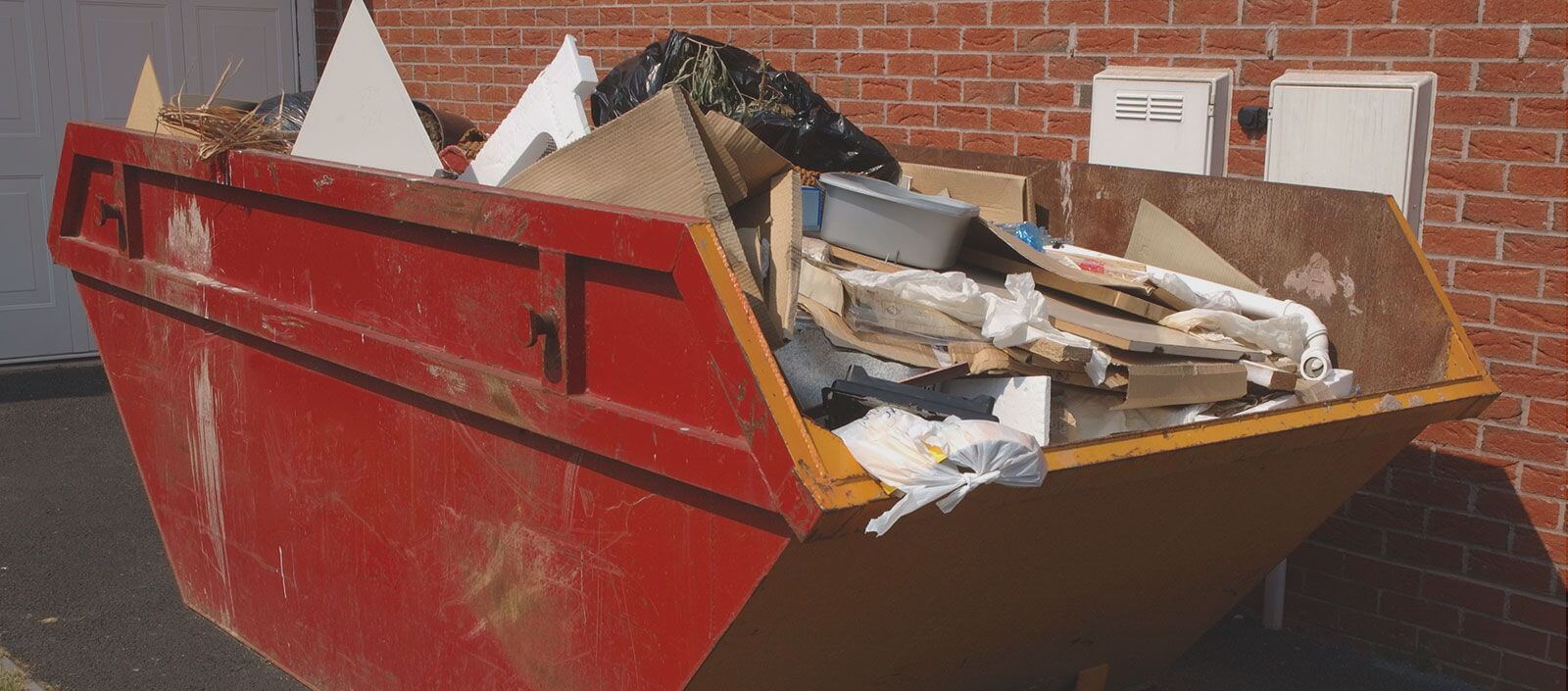
Avoid hidden rubbish removal charges in Kensington
Posted on 02/06/2026
If you've ever booked a clearance and then watched the final bill creep up, you'll know the feeling. One minute the price looks fine, the next minute there are "loading fees", "access charges", or mysterious extras that nobody mentioned at the start. That is exactly why knowing how to avoid hidden rubbish removal charges in Kensington matters. In a place like Kensington, where access can be tight, parking can be tricky, and property layouts vary from compact flats to larger townhouses, the little details make a big difference.
This guide walks you through what hidden charges look like, how they happen, and how to protect yourself before any rubbish is collected. You'll also find a simple checklist, a practical comparison table, and a few local-minded examples so you can book with more confidence and fewer surprises. Truth be told, a clear quote is worth its weight in gold.

Why hidden rubbish removal charges in Kensington matter
Hidden charges are not just annoying. They can make a simple rubbish collection turn into a budget headache, especially if you're clearing a flat, office, rental property, or renovation waste in a busy part of London. In Kensington, where buildings are often older and access can be awkward, the risk of "surprise" add-ons is higher than many people expect.
Here's the real issue: most people compare rubbish removal prices by the headline figure. That is understandable. But the headline can be misleading if it doesn't clearly include labour, VAT, congestion-related handling, parking time, stair carries, or disposal of restricted items. By the time the crew arrives, you may feel backed into a corner. And nobody likes that, not when you're trying to clear space and move on with your day.
It also matters because waste removal is one of those services where you often need the work done quickly. A landlord wants the flat cleared before new tenants move in. A shop needs stockroom waste removed before opening hours. A homeowner wants the old sofa gone before the carpet fitters arrive. When time is tight, there is less room to negotiate. That's where a transparent quote saves stress as well as money.
For anyone arranging a larger clearance, it can help to understand the broader service context too. A provider's services overview gives a useful sense of what is typically covered, while their pricing and quotes information should explain how estimates are built. If either page feels vague, that's your cue to ask more questions.
How hidden charges usually appear
Most hidden rubbish removal charges are not hidden in a dramatic sense. They are usually tucked into the small print, or introduced later when the job looks different from the original description. That can happen even with honest operators if the customer and the collector have not communicated clearly enough. Still, clarity should be standard, not a bonus.
In practice, charges tend to appear in a few common ways:
- Volume underestimation: the quote was based on a smaller pile than the actual load.
- Access complications: stairs, no lift, long carries, narrow hallways, or difficult parking add time and labour.
- Weight-based surprises: heavy materials such as soil, rubble, tiles, or certain appliances cost more to process.
- Restricted items: mattresses, fridges, paint, chemicals, or electrical items may have special disposal handling.
- Late arrivals or waiting time: if the crew cannot start straight away, waiting may be charged.
- Additional labour: if items are not ready to collect or need dismantling, the fee can rise.
A transparent company will explain these points before the job starts, not after it's already on the truck. That distinction really matters. If a provider can't explain how they calculate the price, you're being asked to trust the process without understanding it. To be fair, that's not ideal for anyone.
For domestic clearances, this is especially relevant if you're booking a one-off collection of bulky items. If you are dealing with larger furniture pieces, a single sofa or wardrobe can be straightforward, but not always if it needs to come from a top-floor flat with tight stairs. You can see the kinds of jobs that often need careful quoting on the furniture removal and furniture disposal pages.
Key benefits of getting a transparent quote
A clear quote does more than protect your wallet. It gives you control. And in a busy Kensington household or business, control is usually the thing people need most.
The main benefits are:
- Better budgeting: you know the likely final cost before the team arrives.
- Fewer delays: clear scope means less back-and-forth on the day.
- Less stress: there is no awkward surprise when the job is finished.
- Fairer comparison: you can compare providers on like-for-like terms.
- More trust: openness usually signals a more professional operation.
There's another, often overlooked benefit: a transparent quote usually leads to a smoother collection. When the job is clearly described, the right vehicle, crew size, and timing can be arranged from the outset. That makes a practical difference. Fewer phone calls. Fewer misunderstandings. Less standing around in the hallway with a half-open front door and that mildly apologetic look everyone gets when a wardrobe won't fit through the stairs.
If you want a broader sense of how waste and clearances are handled locally, the waste removal and rubbish collection service pages are useful for seeing the scope of common jobs. For environmentally conscious readers, the recycling and sustainability page is worth a look too, especially if you want to know what happens to items after collection.
Who this is for and when it makes sense
This topic is not just for people with big house clearances. Hidden rubbish removal charges can affect almost anyone booking a collection in Kensington.
You'll benefit most if you are:
- a homeowner clearing a loft, spare room, or garage
- a tenant leaving a property and needing fast, tidy disposal
- a landlord preparing a flat for the next occupant
- a letting agent arranging end-of-tenancy clearance
- a shop owner dealing with packaging, old stock, or fixtures
- an office manager replacing furniture or removing archive waste
- a builder or contractor with mixed site waste
In Kensington, it also makes sense when access is likely to be the issue. That might mean a fourth-floor walk-up, a mews property with limited parking, or a property on a road where loading times are tight. The job itself may be simple. The surroundings, not so much.
For businesses, the same principle applies but the consequences can be larger. A quote that looks cheap at first may become expensive once staff time is wasted and disposal issues pile up. If you are handling regular waste streams, a guide such as streamlining waste disposal processes for large organizations can help you think more systematically about scheduling and cost control.
Step-by-step guidance to avoid extra fees
If you want a reliable way to avoid hidden rubbish removal charges in Kensington, follow this process. It is simple, but it works.
- List everything you want removed. Be specific. "Old furniture" is not enough. Say sofa, armchair, bed frame, mattress, wardrobe, broken desk, and so on.
- Take clear photos. A few well-lit pictures usually do more than a long description. Include access points if they matter.
- Explain access conditions. Mention stairs, lifts, parking restrictions, basement storage, narrow hallways, or long carrying distances.
- Ask what is included in the quote. Labour, loading, disposal, VAT, and waiting time should all be clear. Ask it plainly.
- Check for restricted items. White goods, mattresses, rubble, and hazardous items can change the price or the service method.
- Confirm whether the quote is fixed or estimated. A fixed quote is often easier to work with, as long as the job details are accurate.
- Get the details in writing. Even a short written confirmation helps avoid confusion later.
- Recheck the final scope before collection day. If the pile has grown, say so early. Don't wait until the lorry is outside.
One small but important point: if you are comparing providers, compare the total outcome, not just the starting number. A slightly higher quote that includes labour, disposal, and access assumptions can be better value than a bargain quote with a long list of add-ons.
For local homeowners dealing with end-of-sale or end-of-purchase timing, this can be especially useful. A delay of even a few hours can be annoying when you're juggling keys, cleaners, agents, and all the rest. The article on selling and purchasing homes in Kensington is a helpful reminder that moving timelines get busy fast.
Expert tips for better results
Here are the tips that usually save the most money, and the most headaches.
- Ask for a breakdown, not just a total. A provider who can explain the price usually has thought through the job properly.
- Be honest about the volume. Guessing low only causes problems later. It is usually better to overstate slightly than understate badly.
- Photograph awkward items separately. Large wardrobes, broken appliances, and mixed builders' waste are worth documenting clearly.
- Check whether the crew needs parking space. In Kensington, parking can be the silent cost driver. Quietly annoying, but there it is.
- Bundle jobs where sensible. If you are removing furniture, appliances, and general rubbish, doing it in one visit can be more efficient.
- Ask about sorting requirements. If items need separating before collection, find out whether that affects the price.
One thing we often see: people wait until the last minute and then rush the booking. That's when hidden costs creep in. A rushed conversation tends to produce a fuzzy quote, and fuzzy quotes are where trouble grows. Not always, of course, but often enough to be worth avoiding.
If your clearance includes hard-to-handle items such as washing machines, fridges, or other appliances, it helps to look at the relevant service area first. The white goods and appliance disposal page can help you understand what kind of handling those items may need.

Common mistakes to avoid
Most costly mistakes are very ordinary. That is the awkward part. They happen because people assume a rubbish removal quote is all-inclusive when it may not be.
- Choosing only by price: the cheapest quote is not always cheapest once extras appear.
- Not mentioning access issues: this is probably the biggest source of disputes.
- Forgetting about heavy waste: soil, rubble, and construction debris can change pricing quickly.
- Leaving items unprepared: if the crew has to sort, dismantle, or move extra clutter first, the clock starts ticking.
- Ignoring the small print: not glamorous, I know, but this is where the surprises often live.
- Assuming "same day" means same price: urgency can be convenient, but it may change availability and cost.
There is also a habit of underestimating how much stuff you actually have. A few bags in the hallway can become a full-load job once the cupboard doors open. That happens all the time. The space looks manageable until the contents come out and suddenly the room has opinions of its own.
For people booking faster turnarounds, the right service matters more than usual. A same-day job can still be good value if the quote is transparent from the start, so it may be worth reading about same-day rubbish collection in Earls Court and West Kensington before you book.
Tools, resources and recommendations
You do not need fancy tools to avoid hidden charges. A bit of preparation goes a long way.
Useful things to have ready:
- a phone camera for clear photos
- a rough inventory list of items
- basic measurements for large furniture or bulky waste
- notes on stairs, lifts, parking, and access restrictions
- preferred collection dates and time windows
Useful pages to review before booking:
- About the company and how it works
- Payment and security information
- Waste carrier licence and compliance details
- Insurance and safety guidance
- Terms and conditions
Those pages help you check whether the provider is organised, transparent, and serious about doing things properly. That may sound like a low bar, but let's face it, not every listing earns your trust straight away.
If you're dealing with office waste, the same practical approach applies. The difference is scale and timing. The office clearance and commercial waste removal pages can help frame the kind of service businesses usually need, while the local blog on commercial rubbish removal for Kensington shops and offices is useful for thinking about commercial access and collection timing.
Law, compliance, standards and best practice
Waste removal is not just a pricing issue. There are compliance and safety responsibilities too. In the UK, it is normal to expect any waste collector to be properly authorised and to handle waste responsibly. You do not need to become a legal expert, but you should expect basic due diligence.
Best practice usually includes:
- clear written pricing or a transparent quote process
- proper handling and disposal of waste types
- safe loading and removal methods
- appropriate vehicle and crew planning
- respect for property access and safety
- recycling or diversion where practical and appropriate
It is also sensible to check whether a provider explains their compliance approach in plain English. The page on waste carrier licence and compliance is exactly the kind of resource that helps you do that. Likewise, if environmental handling matters to you, the recycling and sustainability information can help you understand the provider's approach to sorting and recovery.
For your own peace of mind, remember this: a legitimate, well-run service should not be offended by normal questions. In fact, they should welcome them. If a company is vague about disposal, insurance, or what happens to your waste, that vagueness can become expensive later.
Options, methods and comparison table
Different rubbish removal methods suit different jobs. The right choice depends on volume, access, urgency, and the type of waste. Here is a simple comparison to help you think it through.
| Option | Best for | Pros | Potential cost traps |
|---|---|---|---|
| Pre-quoted full-service collection | Most home and business clearances | Convenient, predictable, usually faster | Extras if access or waste type was not described correctly |
| On-site estimate before loading | Jobs where photos are not enough | More accurate final price | Price can change if the pile differs from the estimate |
| Vehicle-load pricing | Mixed waste with uncertain volume | Simple to understand if explained clearly | Can feel vague if the load boundaries are not defined |
| Scheduled recurring collection | Businesses, offices, larger properties | Good for regular control and planning | Extra fees if service frequency or waste mix changes |
For a one-off domestic job, a clear all-in quote is often the easiest route. For a business or multi-property operator, routine planning is usually better. If you are managing repeated waste issues, the article on waste disposal for large organisations offers a helpful way to think about process and predictability.
Case study or real-world example
Here's a realistic scenario. A Kensington flat owner wants to clear a sofa, a broken dining table, two wardrobes, and several bags of mixed household rubbish before a renovation. The first quote sounds appealing because it is low. But the provider asks for more money on arrival because the flat is on the third floor, there is no lift, and the wardrobes need dismantling.
That's frustrating, but also preventable. If the owner had shared photos, access details, and the fact that the wardrobes were assembled in place, the job could have been quoted more accurately from the start. The final price might have been a little higher upfront, but it would have been honest and easier to plan around.
A better version of the same story looks like this: the customer sends a few photos, notes the stairs, and confirms there is limited parking. The provider quotes with those factors included. On collection day, the crew arrives with the right tools, the work is done smoothly, and nobody has to negotiate on the pavement. Simple, really.
That's the difference between a cheap-looking quote and a genuinely useful one. The first one sells hope. The second one saves time.
Practical checklist
Use this checklist before you confirm any rubbish removal booking in Kensington.
- Have I listed every item that needs removing?
- Have I shared photos of the waste and the access route?
- Have I mentioned stairs, lifts, parking, or distance from vehicle to property?
- Have I asked whether labour, disposal, and VAT are included?
- Have I checked for restricted or special items?
- Is the quote fixed, estimated, or subject to inspection?
- Have I asked what might cause the price to change?
- Have I read the terms and conditions carefully?
- Have I checked safety, compliance, and payment information?
- Do I understand the collection timing and any waiting-time rules?
If you can tick most of those boxes, you are in a much stronger position. And if you cannot, do not panic. Just ask the missing questions before you agree to anything. A few minutes now can save a lot later.
Get a free quote today and see how much you can save.
Conclusion
To avoid hidden rubbish removal charges in Kensington, focus on clarity, not just price. Describe the job properly, share photos, explain access, and ask what is included before you book. That one habit can make the difference between a clean, straightforward collection and a slightly painful invoice at the end.
In a neighbourhood where homes, offices, and access conditions can vary so much from one street to the next, good communication really is everything. Whether you are clearing a flat, removing old furniture, or organising a business collection, the same rule applies: transparency upfront is almost always cheaper than surprises later.
And honestly, once the waste is gone and the space is quiet again, the whole place feels better. Lighter somehow. That's the part people remember.