What to know about rubbish pickups blocked access West Kensington
Posted on 10/06/2026
If your rubbish pickup in West Kensington has been delayed, refused, or awkwardly rescheduled because access is blocked, you are not alone. Narrow streets, parked cars, shared entrances, basement steps, garden gates, and busy loading areas can turn a simple collection into a bit of a headache. The good news is that most access problems are manageable once you know what crews need, what usually causes delays, and how to prepare the space properly.
This guide explains what to know about rubbish pickups blocked access West Kensington in plain English. You will learn how blocked access affects collections, what happens on the day, how to reduce costs and delays, and when it makes sense to book a more flexible rubbish removal service instead. A small bit of planning goes a long way here, honestly.

Why What to know about rubbish pickups blocked access West Kensington Matters
Blocked access is not just a minor inconvenience. In rubbish collection, access is often the difference between a quick, clean pickup and a wasted trip. If a collection team cannot safely get to the waste, cannot load from the agreed point, or cannot stop long enough to work, the job may be delayed or re-quoted. That can affect households, landlords, shops, offices, and building sites alike.
In West Kensington, this comes up more often than people expect. You may be dealing with a narrow mews-style entrance, residents' parking, a locked communal gate, a flight of steps, or a front garden that is just a touch too tight for bulky items. To be fair, the issue is rarely the rubbish itself. It is the path to it.
For anyone arranging clearance in a time-sensitive situation, blocked access can also ripple into other plans. Moving day gets messier. A refurbishment stalls. A shop back room stays cluttered. A landlord wants an end-of-tenancy cleanout completed before the next viewing. If that sounds familiar, you may also find it useful to read about house rubbish clearance on Fulham Road in West Kensington and the broader approach covered in commercial rubbish removal for Kensington shops and offices.
Key point: blocked access is not a reason to panic, but it is a reason to plan. The earlier the crew knows the access limitations, the smoother the collection tends to be.
How What to know about rubbish pickups blocked access West Kensington Works
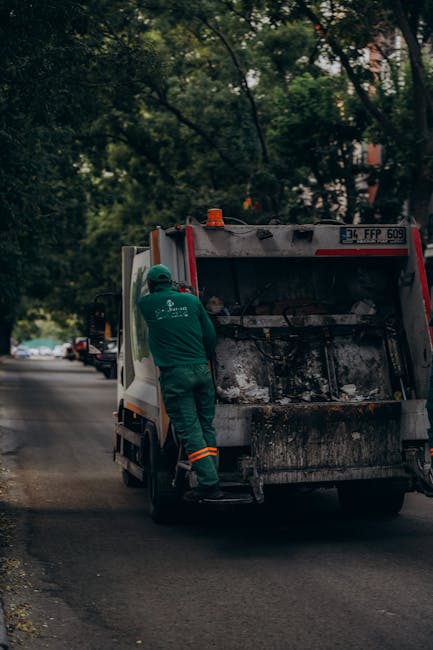
When access is blocked, the collection process usually changes from a simple curbside or doorstep pickup to a more manual, bespoke job. The team may need to park further away, carry items from inside the property, use a side passage, wait for a gate to be opened, or work around temporary obstructions like delivery vehicles or tradespeople.
In practice, a rubbish pickup with restricted access usually follows a few familiar stages:
- Pre-check: You describe the access route, stair count, parking restrictions, gate width, or any other limitations before booking.
- Arrival assessment: On arrival, the crew checks whether the original plan is workable and safe.
- Adjustment: If access is tighter than expected, they may alter the loading route, bring extra labour, or reposition the vehicle.
- Collection: Waste is removed from the agreed location, ideally without blocking neighbours, traffic, or shared entrances.
- Completion and disposal: Items are loaded, transported, and taken to an appropriate facility through a licensed waste carrier route.
The main thing to understand is that access affects labour time. The more carrying, lifting, stairs, or waiting involved, the more the job may differ from a straightforward pickup. That does not automatically mean it becomes expensive, but it does mean the quote should reflect reality rather than optimism.
If you are comparing options, it can help to review the wider service scope in the services overview and, where relevant, the dedicated page for rubbish collection in West Kensington. Those pages give a sense of how collections are typically arranged around real-world access constraints.
Key Benefits and Practical Advantages
It may sound odd to speak about benefits when access is blocked, but there are real advantages to handling it properly.
- Fewer failed collections: Accurate access details reduce the chance of a truck arriving and leaving with nothing done.
- Safer lifting and carrying: Crews can prepare the right equipment and manpower for stairs, long carries, or awkward turns.
- Cleaner timing: You can coordinate pickups around neighbours, deliveries, building work, or school-run traffic.
- Less back-and-forth: Clear planning means fewer calls, fewer surprises, and fewer day-of changes.
- Better cost control: Transparent access information makes quotes more realistic and usually fairer.
- Lower disruption: Shared hallways, entryways, and pavements are easier to keep tidy when the route is planned in advance.
Another real advantage is peace of mind. Once people know the team understands the access issue, the whole thing feels less chaotic. You are not left wondering whether the sofa will fit through the stairwell, or whether someone will turn up and say, well, that's impossible then. Nobody wants that. Nobody.
For households and landlords, blocked access handling often pairs well with house clearance in West Kensington, loft clearance, or furniture removal where bulky items need careful movement rather than a simple lift-and-load at the pavement.
Who This Is For and When It Makes Sense
Blocked-access rubbish pickup is relevant to a wider group than people usually expect. It is not just for difficult driveways or basement flats. It is for any situation where the waste is not easily accessible from the street or the collection vehicle.
Typical situations include
- Flats with shared entrances or secure gates
- Terraced homes with narrow front paths
- Basement or lower-ground properties
- Commercial premises with rear loading restrictions
- Shops on busy streets where parking is limited
- Office clearances in buildings with lifts, security desks, or stair-only access
- Building projects with scaffolding, skips, or materials blocking the route
If you are a homeowner, you may be sorting a one-off clearout after a move, renovation, or declutter. If you manage a business, you may need fast removal of stockroom waste, office furniture, or packaging without interrupting trading. And if you are a contractor, access planning can be the difference between staying on schedule and losing half a day.
Blocked access also matters when rubbish removal is part of a larger life event. A sale, purchase, renovation, or end-of-tenancy deadline can make a small delay feel huge. For readers dealing with property changes, the article on selling and purchasing homes in Kensington may be helpful because waste planning often gets overlooked right when it matters most.
Step-by-Step Guidance
If you want to avoid the usual access-day stress, use this approach.
- Walk the route first. Start at the street and follow the actual path the waste will take. Count steps, check door widths, notice low ceilings, and look for bottlenecks. It takes five minutes and can save a lot of grief.
- Identify what is blocking access. Is it a parked car, a locked gate, a heavy item in the hallway, or a permanent issue like a narrow staircase? The fix is different for each one.
- Measure the awkward bits. Widths, heights, and stair turns matter for large furniture and white goods. A fridge may technically fit through a door, but still fail on the turn. Classic.
- Tell the collection team everything up front. Be honest about the access. Mention basements, distance from vehicle to property, parking limits, and whether anyone can unlock gates or doors.
- Clear the path before arrival. Move shoes, bikes, prams, plant pots, boxes, or anything else that narrows the route. Small clutter can create big delays.
- Arrange permissions if needed. If waste needs to be carried through a communal area, make sure residents, building management, or a concierge is aware.
- Be ready at the agreed time. Delays can trigger parking problems, neighbour friction, or extra waiting time. Having someone present really helps.
- Keep fragile items separate. If some items need special handling, flag them. That avoids accidental damage and speeds up the rest of the load.
For mixed loads, it may also help to separate bulky items from general rubbish before the crew arrives. A pile of cardboard, broken chairs, and old appliances is easier to manage if it is already grouped. If white goods are involved, take a look at white goods and appliance disposal in West Kensington for a clearer sense of what is usually collected.
Expert Tips for Better Results
After many collections, a few habits stand out. They are simple, but they work.
- Send photos before the booking. A few clear pictures of the route, gate, stairs, and waste stack can prevent misunderstandings.
- Think in terms of carrying distance. Ten metres versus fifty metres is a big deal when there are bulky items involved.
- Check for time-based access limits. Some streets are easier at certain hours. Early mornings can be calmer, but not always. It depends on the road.
- Ask about the loading plan. Will the vehicle stop right outside, or will waste be carried from the property to a nearby parking spot?
- Keep neighbours in the loop. A quick heads-up can reduce friction if hallways, drives, or shared entrances are being used.
- Use the quiet moments. If you know access is difficult, try to have the route ready before the crew arrives, not during the middle of the pickup. It feels tiny, but it matters.
There is also a commercial side to this. For businesses, access issues are often less about one obstacle and more about timing: deliveries, trading hours, and customer flow. That is why many firms prefer a collection plan that can adapt. If that sounds familiar, the article on streamlining waste disposal processes for large organizations is a good companion read.
Practical truth: the best access solution is usually the one that keeps the site calm, not the one that looks clever on paper.
Common Mistakes to Avoid
Most access-related issues are avoidable. These are the mistakes we see most often.
- Assuming the collector will "just manage." If the access is tricky, they need to know before arrival.
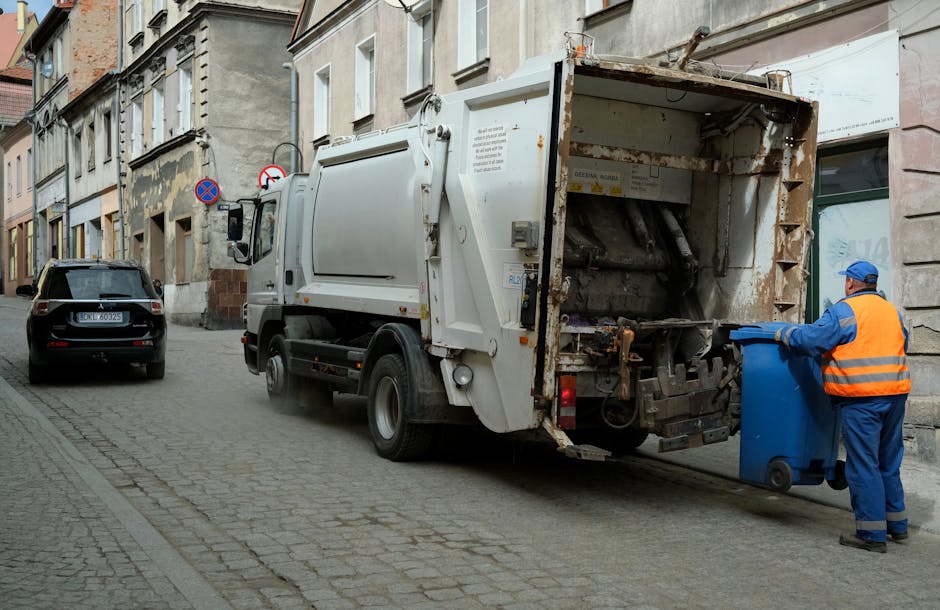
- Forgetting about parking. A vehicle may be able to reach the property on foot, but not stop safely long enough to load.
- Leaving items behind locked doors or gates. If nobody can open the route, the pickup can stall immediately.
- Underestimating bulk and weight. What feels manageable in the room can feel very different on stairs.
- Not telling anyone about shared access. Communal buildings can be surprisingly sensitive about timing and route usage.
- Waiting until the morning of the collection. Last-minute fixes are possible, sure, but they are rarely elegant.
One small but common error is booking the right service but describing it too vaguely. "A bit of waste" and "some furniture" do not say much. A better brief is: two sofas, a fridge, eight bags, stairs to basement level, and no driveway. Much clearer. Much safer too.
Tools, Resources and Recommendations
You do not need specialist equipment for every job, but a few simple tools make access planning far easier.
| Tool or resource | Why it helps | Best use case |
|---|---|---|
| Measuring tape | Checks doorways, turns, stair widths, and item dimensions | Bulky furniture, appliances, awkward hallways |
| Phone photos or video | Gives the crew a realistic view of the route | Any blocked access or unusual layout |
| Sticky notes or labels | Separates items that need special handling | Mixed household or office clearances |
| Basic moving straps or gloves | Helps with safe handling during short internal moves | Light, manageable items you are allowed to shift |
| Building access instructions | Reduces confusion at gates, intercoms, or concierge desks | Flats, managed buildings, office blocks |
Useful service pages for readers with access-related waste include office clearance in West Kensington, commercial waste removal, and builders waste disposal. Those jobs commonly involve limited access, loading constraints, or working around other activity on site.
If you are comparing prices or trying to understand what affects the final cost, it is also worth reading how to avoid hidden rubbish removal charges in Kensington. Access is one of the big factors that can influence the quote, so it helps to know what you are paying for.
Law, Compliance, Standards, or Best Practice
When rubbish is collected from a blocked-access site, the practical side matters, but compliance matters too. In the UK, waste should be handled by a licensed carrier and taken to an authorised facility. That is a basic expectation, not an optional extra. If a provider cannot explain how waste is carried, transported, and disposed of responsibly, that is a red flag.
Best practice also means keeping the public highway, shared corridors, and building entrances safe and unobstructed. If a collection involves loading from the street, the team should take care not to create avoidable hazards. If the route is internal, they should handle it in a way that respects the property and the people using it.
Insurance is another quiet but important part of the picture. Access issues can increase the chance of knocks, scrapes, and accidental damage, especially where large furniture is involved. That is why it is sensible to understand the provider's approach to safety and insurance before the day arrives. A good place to start is the site's insurance and safety information and the page on waste carrier licence and compliance.
Best-practice summary: accurate access details, safe manual handling, clear permission where needed, and responsible waste transfer are the four things that matter most here.
Options, Methods, or Comparison Table
Not every access problem needs the same solution. Sometimes a quick route change is enough. Sometimes you need more labour. Sometimes it is smarter to move the waste to a better pickup point before collection. Here is a straightforward comparison.
| Method | Best for | Advantages | Limitations |
|---|---|---|---|
| Direct curbside pickup | Easy access, clear parking, minimal carrying | Fastest and simplest option | Not suitable when the property is tucked away or blocked |
| Internal carry-out collection | Flats, basements, gated sites, rear rooms | Works where vehicles cannot get close | Needs more time and careful handling |
| Staged collection point | Long carrying distances or loading conflicts | Reduces pressure on the final pickup window | Requires planning and safe temporary storage |
| Flexible same-day booking | Unexpected access problems or urgent clearances | Helps when timing is tight | Availability can vary, especially on busy days |
If speed is the priority, a same-day service can be a practical fallback, especially where the waste cannot stay put. That is one reason the article on same-day rubbish collection in Earls Court and West Kensington is worth a look. On the other hand, if the job is part of a wider cleanout, a structured clearance approach may be better. For example, waste removal in West Kensington can suit mixed loads that do not fit neatly into one small pickup window.
Case Study or Real-World Example
Picture a typical West Kensington flat on a side street near a row of parked cars and permit bays. The resident wants an old wardrobe, a mattress, and several black bags removed before an estate agent photography appointment the next morning. The catch? The front entrance is narrow, the staircase turns sharply at the first landing, and a neighbour has left a bike in the hall.
Without planning, that job could easily become a delay. The crew arrives, finds the hallway cramped, and has to wait while access is cleared. The wardobe, which looked easy in the living room, needs a slower carry because of the staircase turn. Not a disaster, but certainly not efficient.
With better preparation, the situation changes. The resident sends a few photos beforehand, mentions the staircase and bike in the hall, and makes sure the route is clear before the collection window. The crew arrives with a realistic expectation, brings the right handling approach, and completes the removal smoothly. No drama. No rushed rebooking. Just a clean finish and a happier morning.
That is the real lesson here: blocked access does not have to derail the job. It just needs a better plan than "we'll see when they get here." Let's be honest, that approach rarely ages well.
Practical Checklist
Use this before your next rubbish pickup in West Kensington:
- Confirm the exact pickup location and route
- Check for parking restrictions or access windows
- Measure doors, stairs, and tight corners
- Remove obvious obstructions from hallways and entrances
- Tell the provider about gates, intercoms, lifts, or concierge procedures
- Send photos if the access is unusual
- Separate bulky items from loose rubbish where possible
- Make sure someone is available to open doors or answer questions
- Keep children, pets, and residents away from the carrying route
- Ask what happens if the vehicle cannot stop directly outside
- Check whether the job needs a simple pickup or full clearance
- Review any safety, insurance, or compliance details beforehand
If you are dealing with furniture, appliances, or a larger household clearout, you may also want to compare this with furniture disposal in West Kensington and domestic waste collection so you can match the service to the access problem rather than forcing the wrong one.
Conclusion
Blocked access does not have to make rubbish pickup difficult in West Kensington, but it does demand a more realistic, careful approach. The main thing is to describe the route honestly, prepare the space before arrival, and choose a collection method that fits the property instead of trying to squeeze a standard pickup into an awkward layout.
When access is planned properly, the whole job feels calmer. Less waiting, less guessing, fewer surprises. And that matters whether you are clearing a flat, a shop, an office, or a building site. If the space is tight, the solution is usually not more effort on the day; it is better information beforehand.
Get a free quote today and see how much you can save.
And if the job feels a bit messy right now, that is okay. A clear route, a fair plan, and the right team can make even a stubborn pickup feel manageable.